

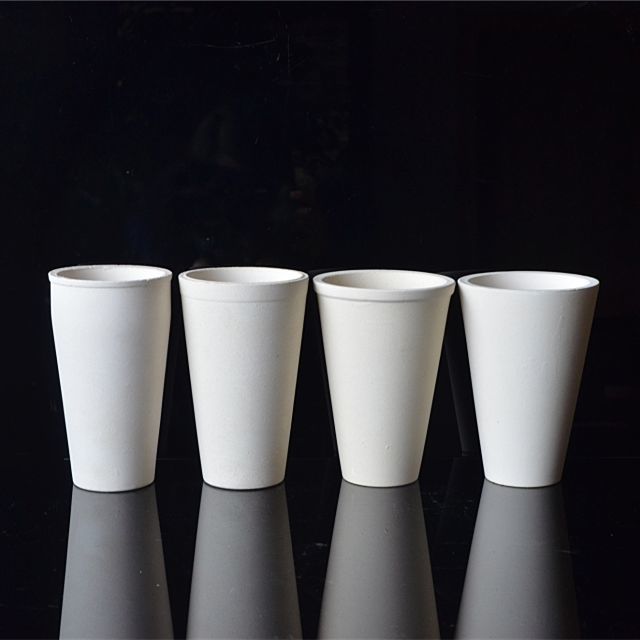
The Role of Ceramic Fire Clay Fire Assay Crucibles in Efficient Fire Testing
Time:
2025-12-16 13:10
Source:
The Role of Ceramic Fire Clay Fire Assay Crucibles in Efficient Fire Testing
In the realm of materials testing, particularly within the building and decorative materials sector, the importance of precision cannot be overstated. Among the various instruments utilized in fire testing, ceramic fire clay fire assay crucibles stand out for their durability and effectiveness. This article delves into the intricate details of these crucibles, exploring their role, advantages, and applications in efficient fire testing.
Understanding Fire Assay Crucibles
Fire assay is a process widely recognized for its accuracy in quantifying precious metals, such as gold and silver. The equipment utilized in this testing method is crucial for obtaining reliable results. Fire assay crucibles, especially those made from ceramic fire clay, are integral to this process due to their ability to resist high temperatures and chemical reactions.
The Composition of Ceramic Fire Clay Crucibles
Ceramic fire clay crucibles are composed of natural clays that are carefully selected for their thermal stability and resistance to chemical corrosion. The unique blend of minerals used in their fabrication contributes to their ability to withstand extreme temperatures, making them ideal for fire assay applications.
Key Properties of Ceramic Fire Clay Crucibles
- High Thermal Resistance: These crucibles can endure temperatures exceeding 1,200°C without deforming or breaking.
- Chemical Stability: They resist reactions with molten metals and other chemicals commonly encountered in fire testing.
- Durability: Their robust structure ensures a long lifespan, reducing the need for frequent replacements.
- Lightweight Design: This facilitates easier handling and transportation within laboratory environments.
Importance of Efficient Fire Testing
Efficient fire testing is essential not only for quality assurance but also for compliance with industry standards. Accurate results obtained from fire assays help in decision-making processes related to resource allocation and product development. Ceramic fire clay crucibles play a pivotal role in ensuring that the fire testing process is conducted smoothly and reliably.
Applications of Ceramic Fire Clay Crucibles in Fire Testing
The applications of ceramic fire clay crucibles in fire testing are extensive. They are predominantly used in metallurgical laboratories for precious metal determination. Additionally, their use extends into various fields, including:
- Mining: For assaying ore samples to ascertain the presence of valuable minerals.
- Recycling: For evaluating the metal content in scrap materials.
- Research: In academic settings to conduct experiments involving high-temperature reactions.
Choosing the Right Ceramic Fire Clay Crucible
Selecting the appropriate crucible is critical for achieving optimal results in fire testing. Here are essential factors to consider:
Size and Capacity
The size of the crucible must align with the volume of the sample to be tested. Choosing a crucible that can accommodate the sample without risk of overflow is paramount for precise results.
Temperature Ratings
Different testing processes require varying temperature thresholds. It is essential to select crucibles that can withstand the specific temperatures relevant to your application.
Supplier Reputation
Choosing crucibles from reputable suppliers ensures that you receive high-quality products. Researching the manufacturer's background and customer reviews can help guide this decision.
Advantages of Using Ceramic Fire Clay Crucibles
The advantages of employing ceramic fire clay crucibles extend beyond mere durability. Here are some of the significant benefits:
Cost-Effectiveness
Investing in high-quality ceramic fire clay crucibles can lead to long-term savings. Their durability translates to lower replacement costs, making them a sound investment for laboratories.
Consistency and Accuracy
Using high-quality crucibles contributes to consistent test results. The stability of ceramic fire clay under high temperatures ensures that the integrity of the sample is maintained, leading to reliable data.
Reduction of Contaminants
Ceramic fire clay crucibles minimize the introduction of contaminants during the fire assay process. Their inert nature prevents unwanted chemical reactions, ensuring the purity of assay results.
Common Challenges in Fire Testing and Their Solutions
While fire testing is a critical process, it is not without challenges. Here are some common issues faced in the laboratory and how to address them:
Crucible Breakage
One of the significant challenges in fire testing is crucible breakage due to thermal shock. To mitigate this risk, gradual heating and cooling of the crucibles can be implemented. Additionally, ensuring that the crucibles are not subjected to sudden temperature changes will enhance their longevity.
Sample Contamination
Ensuring sample integrity is vital. Using pre-cleaned and dedicated crucibles for specific materials can help prevent cross-contamination between tests. Regular inspection and maintenance of crucibles also contribute to reducing contamination risks.
Inconsistent Results
Inconsistencies in assay results can arise from various factors, including improper sample preparation or crucible selection. To ensure consistency, rigorously follow standardized procedures and utilize crucibles that meet the specific requirements of the assay.
Future Trends in Fire Assay Testing
The field of fire assay testing is continuously evolving, with advancements in materials science leading to improved crucible designs. Future trends may include:
Innovation in Materials
Research into alternative materials for fire assay crucibles could lead to even more efficient products that surpass the limitations of traditional ceramic fire clay.
Automation in Testing Processes
As laboratories adopt more automated systems, the integration of advanced crucible handling can streamline the testing process, increasing throughput and efficiency.
Frequently Asked Questions (FAQs)
1. What is the primary use of ceramic fire clay fire assay crucibles?
They are primarily used in laboratories for the accurate determination of precious metals through the fire assay method.
2. How do I ensure that the crucibles do not break during testing?
Gradually heat and cool the crucibles and avoid sudden temperature changes to minimize the risk of breakage.
3. Can ceramic fire clay crucibles be reused?
Yes, they can be reused if properly cleaned and maintained after each assay to prevent contamination.
4. Are there different sizes of crucibles available?
Yes, ceramic fire clay crucibles come in various sizes to accommodate different sample volumes.
5. What are the signs that a crucible needs replacement?
Crucibles should be replaced if they show signs of cracking, chipping, or any deformities that could affect their performance.
Conclusion
Ceramic fire clay fire assay crucibles are indispensable tools in the field of fire testing, offering unique advantages that enhance the accuracy and efficiency of precious metal determination. Their robust properties, coupled with their ability to withstand high temperatures and resist chemical reactions, make them the preferred choice for laboratories worldwide. By understanding their importance, applications, and how to choose the right crucibles, professionals in the industry can ensure the integrity of their testing processes while achieving reliable and consistent results.
ceramic fire clay fire assay crucible
INQUIRY FOR PRICELIST
For inquiries about our products or pricelist, please leave your inquiry and we will be in touch within 24 hours.
MoreFollow Us
Contact Us
Ms.Fanny
Email: sintyron@xtlceramic.com
Complaints and Opinions : anna@xtlceramic.com
Telephone:0086-731-23253338
Address:ShenTan Industrial
Area,Hunan,China 412200