

NEWS
XING TAL LONG
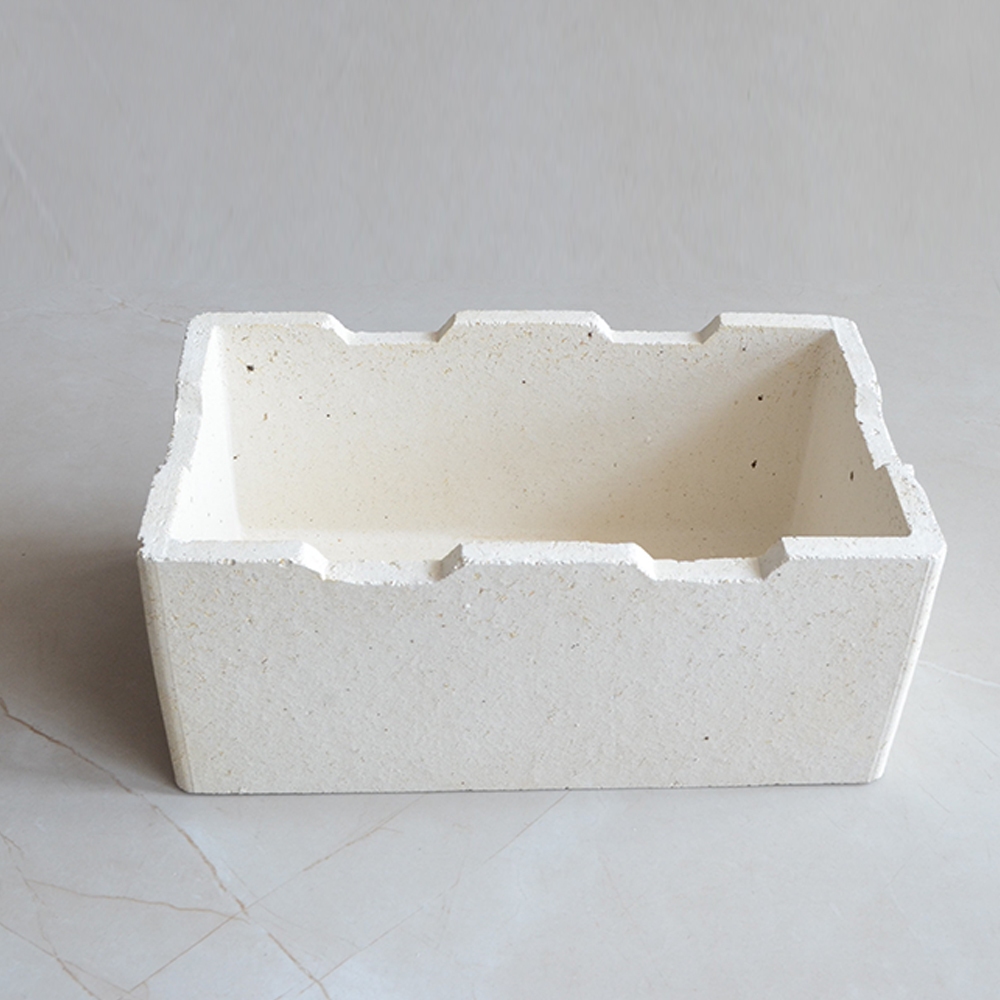
Exploring the Benefits and Applications of Beryllium Oxide Ceramic Plates in the Construction Industry
Time:
2026-01-16 13:10
Source:
Beryllium oxide ceramic plates are gaining recognition within the building and decorative materials sector, particularly in the realm of ceramics. Known for their exceptional thermal conductivity, mechanical strength, and electrical insulation properties, these ceramic plates offer a range of advantages that can significantly enhance various construction applications.
One of the most notable features of beryllium oxide ceramic plates is their thermal conductivity. These materials can efficiently transfer heat, making them ideal for applications where temperature control is critical. For instance, in environments such as data centers, aerospace, or electronic housing, where overheating can lead to system failures, beryllium oxide plates help maintain optimal operational temperatures, thereby increasing reliability and performance.
In addition to thermal management, the mechanical strength of beryllium oxide ceramic plates cannot be overlooked. This material is known for its durability and resistance to wear and tear, making it suitable for demanding construction environments. Whether used in high-stress applications or as part of decorative elements, these plates can withstand significant loads and impacts, ensuring longevity and reducing maintenance costs.
The insulating properties of beryllium oxide are another critical aspect. As a highly effective electrical insulator, beryllium oxide ceramic plates are frequently employed in electrical components and assemblies. This characteristic is particularly beneficial when constructing facilities that require high levels of electrical safety and reliability, such as laboratories or industrial buildings.
Moreover, beryllium oxide ceramics can be fabricated into various shapes and sizes, providing architects and designers with the flexibility to create innovative designs. The aesthetic appeal of these materials, combined with their functionality, positions beryllium oxide ceramic plates as a preferred choice in contemporary architectural projects, where form and function coexist harmoniously.
Environmental considerations are also becoming increasingly relevant in the construction industry. Beryllium oxide ceramic plates are produced through processes that, when managed properly, can minimize environmental impact. Their longevity and durability contribute to sustainable building practices, as fewer replacements mean less waste over time.
In summary, beryllium oxide ceramic plates present a multitude of benefits for the construction and decorative materials industry. With their outstanding thermal conductivity, mechanical strength, electrical insulation properties, and design versatility, these materials are poised to play a pivotal role in the future of building practices. As the industry continues to evolve, exploring innovative materials like beryllium oxide will be essential for meeting the demands of modern architecture and construction.
One of the most notable features of beryllium oxide ceramic plates is their thermal conductivity. These materials can efficiently transfer heat, making them ideal for applications where temperature control is critical. For instance, in environments such as data centers, aerospace, or electronic housing, where overheating can lead to system failures, beryllium oxide plates help maintain optimal operational temperatures, thereby increasing reliability and performance.
In addition to thermal management, the mechanical strength of beryllium oxide ceramic plates cannot be overlooked. This material is known for its durability and resistance to wear and tear, making it suitable for demanding construction environments. Whether used in high-stress applications or as part of decorative elements, these plates can withstand significant loads and impacts, ensuring longevity and reducing maintenance costs.
The insulating properties of beryllium oxide are another critical aspect. As a highly effective electrical insulator, beryllium oxide ceramic plates are frequently employed in electrical components and assemblies. This characteristic is particularly beneficial when constructing facilities that require high levels of electrical safety and reliability, such as laboratories or industrial buildings.
Moreover, beryllium oxide ceramics can be fabricated into various shapes and sizes, providing architects and designers with the flexibility to create innovative designs. The aesthetic appeal of these materials, combined with their functionality, positions beryllium oxide ceramic plates as a preferred choice in contemporary architectural projects, where form and function coexist harmoniously.
Environmental considerations are also becoming increasingly relevant in the construction industry. Beryllium oxide ceramic plates are produced through processes that, when managed properly, can minimize environmental impact. Their longevity and durability contribute to sustainable building practices, as fewer replacements mean less waste over time.
In summary, beryllium oxide ceramic plates present a multitude of benefits for the construction and decorative materials industry. With their outstanding thermal conductivity, mechanical strength, electrical insulation properties, and design versatility, these materials are poised to play a pivotal role in the future of building practices. As the industry continues to evolve, exploring innovative materials like beryllium oxide will be essential for meeting the demands of modern architecture and construction.
beryllium oxide ceramic plate
INQUIRY FOR PRICELIST
For inquiries about our products or pricelist, please leave to us and. we will be in touch within 24 hours.
MoreFollow Us
Contact Us
Ms.Fanny
Email: sintyron@xtlceramic.com
Complaints and Opinions : anna@xtlceramic.com
TEL:0086-731-23253338
Address:ShenTan Industrial
Area,Hunan,China 412200