

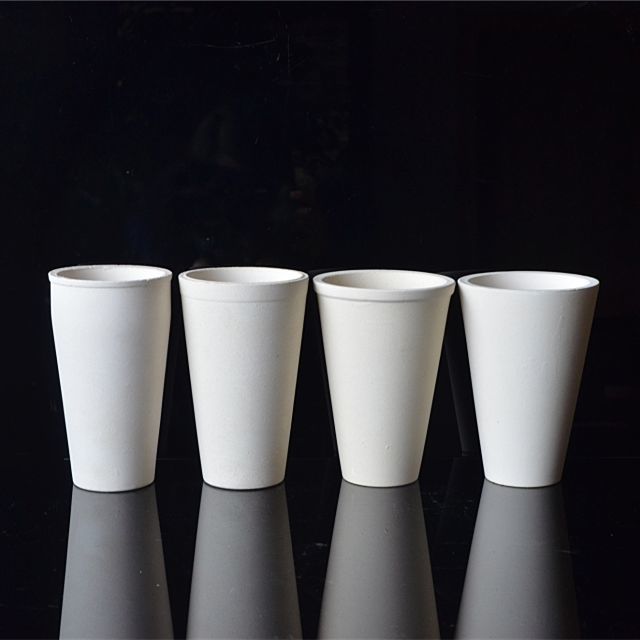
Unlocking the Potential of Aluminum Nitride Crucibles in Ceramics and Construction
Time:
2026-01-22 11:50
Source:
Aluminum nitride crucibles have emerged as a critical component in various high-temperature applications, especially within the ceramics and construction sectors. These crucibles, made from aluminum nitride (AlN), offer unique characteristics that make them particularly advantageous for handling and processing materials in these industries.
One of the primary benefits of aluminum nitride crucibles is their exceptional thermal conductivity. This property allows for efficient heat distribution, which is crucial when working with materials that require precise temperature control. In construction and ceramics, where high temperatures are often needed for processes such as sintering or melting, aluminum nitride crucibles provide a reliable solution that can enhance the quality of finished products.
Another significant advantage is their high level of thermal stability. Aluminum nitride crucibles can withstand extreme temperatures without deforming or breaking down, making them suitable for various applications, including the processing of refractory materials and the production of high-performance ceramics. This durability ensures that the crucible can be used repeatedly, reducing the need for frequent replacements and allowing for cost-effective operations.
Moreover, aluminum nitride is known for its chemical stability. Unlike other materials that may react adversely with molten substances, aluminum nitride crucibles can handle a variety of chemical compositions without compromising their integrity. This characteristic is particularly important in the ceramics field, where the interaction between the crucible and the material being processed can significantly affect the final product's properties.
In terms of application, aluminum nitride crucibles are ideal for use in laboratories and industrial settings where precision and reliability are paramount. They are widely used in the production of advanced ceramics, including cutting tools, electronic components, and various building materials. Additionally, their lightweight nature makes them easier to handle compared to traditional crucible materials, adding to their appeal in construction-related activities.
Furthermore, the growing interest in sustainable building practices has led to an increased demand for materials that offer both performance and environmental benefits. Aluminum nitride crucibles align with these goals, as they can support the development of innovative ceramic materials that are both efficient and eco-friendly.
In conclusion, aluminum nitride crucibles represent a valuable asset in the building and decoration materials sector, particularly in ceramics. Their superior thermal conductivity, stability, and chemical resistance make them a preferred choice for a variety of applications. By incorporating aluminum nitride crucibles into your processes, you can enhance the performance and sustainability of your materials, ultimately leading to better outcomes in your construction and ceramic projects. Embrace the advantages of aluminum nitride crucibles to stay ahead in the competitive landscape of building materials and ceramics.
One of the primary benefits of aluminum nitride crucibles is their exceptional thermal conductivity. This property allows for efficient heat distribution, which is crucial when working with materials that require precise temperature control. In construction and ceramics, where high temperatures are often needed for processes such as sintering or melting, aluminum nitride crucibles provide a reliable solution that can enhance the quality of finished products.
Another significant advantage is their high level of thermal stability. Aluminum nitride crucibles can withstand extreme temperatures without deforming or breaking down, making them suitable for various applications, including the processing of refractory materials and the production of high-performance ceramics. This durability ensures that the crucible can be used repeatedly, reducing the need for frequent replacements and allowing for cost-effective operations.
Moreover, aluminum nitride is known for its chemical stability. Unlike other materials that may react adversely with molten substances, aluminum nitride crucibles can handle a variety of chemical compositions without compromising their integrity. This characteristic is particularly important in the ceramics field, where the interaction between the crucible and the material being processed can significantly affect the final product's properties.
In terms of application, aluminum nitride crucibles are ideal for use in laboratories and industrial settings where precision and reliability are paramount. They are widely used in the production of advanced ceramics, including cutting tools, electronic components, and various building materials. Additionally, their lightweight nature makes them easier to handle compared to traditional crucible materials, adding to their appeal in construction-related activities.
Furthermore, the growing interest in sustainable building practices has led to an increased demand for materials that offer both performance and environmental benefits. Aluminum nitride crucibles align with these goals, as they can support the development of innovative ceramic materials that are both efficient and eco-friendly.
In conclusion, aluminum nitride crucibles represent a valuable asset in the building and decoration materials sector, particularly in ceramics. Their superior thermal conductivity, stability, and chemical resistance make them a preferred choice for a variety of applications. By incorporating aluminum nitride crucibles into your processes, you can enhance the performance and sustainability of your materials, ultimately leading to better outcomes in your construction and ceramic projects. Embrace the advantages of aluminum nitride crucibles to stay ahead in the competitive landscape of building materials and ceramics.
aluminum nitride crucible
INQUIRY FOR PRICELIST
For inquiries about our products or pricelist, please leave your inquiry and we will be in touch within 24 hours.
MoreFollow Us
Contact Us
Ms.Fanny
Email: sintyron@xtlceramic.com
Complaints and Opinions : anna@xtlceramic.com
Telephone:0086-731-23253338
Address:ShenTan Industrial
Area,Hunan,China 412200