

NEWS
XING TAL LONG
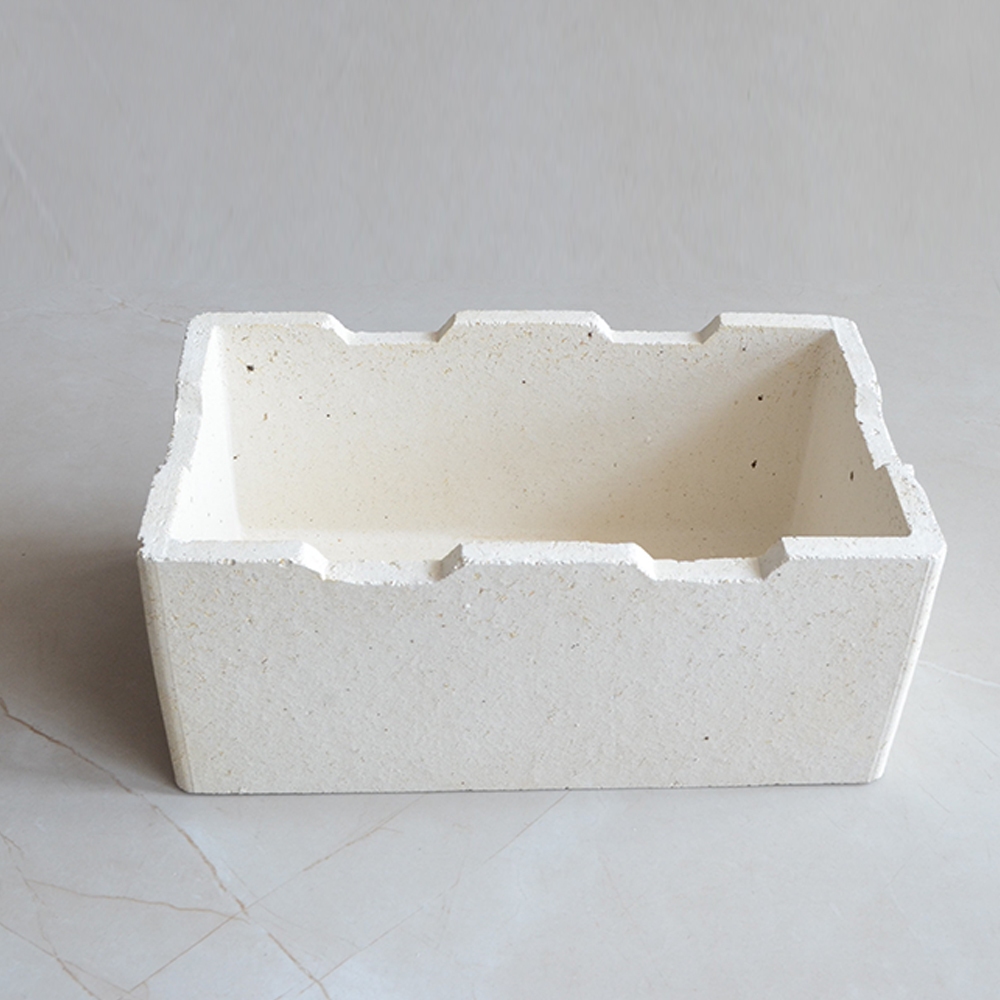
Maximizing Thermal Conductivity with Beryllium Oxide Ceramic Plates: The Future of Thermal Management Solutions
Time:
2026-04-04 16:10
Source:
Maximizing Thermal Conductivity with Beryllium Oxide Ceramic Plates
Table of Contents
- 1. Introduction to Beryllium Oxide Ceramic Plates
- 2. Unique Properties of Beryllium Oxide
- 3. Applications of Beryllium Oxide Ceramic Plates
- 3.1 Electronics and Semiconductor Industry
- 3.2 Aerospace and Defense Applications
- 3.3 Medical Equipment
- 4. Advantages of Using Beryllium Oxide Ceramic Plates
- 5. Manufacturing Processes of Beryllium Oxide Plates
- 6. Comparing Beryllium Oxide with Other Ceramic Materials
- 7. Frequently Asked Questions
- 8. Conclusion
1. Introduction to Beryllium Oxide Ceramic Plates
Beryllium oxide (BeO) ceramic plates have emerged as a key player in the field of thermal management. Renowned for their exceptional **thermal conductivity** and mechanical strength, beryllium oxide ceramics are being increasingly utilized in a variety of industrial applications. Their unique properties make them an ideal choice for applications requiring efficient heat dissipation, particularly in environments characterized by high temperatures and demanding operational conditions.
Thermal management is critical in modern technology, where devices are continuously evolving to be smaller, faster, and more efficient. As a result, materials that can effectively conduct heat while maintaining structural integrity are in high demand. Beryllium oxide ceramic plates offer an effective solution to these challenges, and this article explores the myriad ways they are revolutionizing thermal conductivity.
2. Unique Properties of Beryllium Oxide
Beryllium oxide ceramic plates possess several properties that distinguish them from other materials:
2.1 High Thermal Conductivity
One of the most significant attributes of beryllium oxide is its remarkable **thermal conductivity**, which ranges from 200 to 300 W/mK. This makes it one of the most thermally conductive ceramic materials available. The high thermal conductivity allows for rapid heat dissipation, essential for many applications, particularly in electronics.
2.2 Excellent Mechanical Properties
Beryllium oxide exhibits outstanding mechanical strength, with a compressive strength that can exceed 300 MPa. This durability makes it suitable for use in harsh environments where other materials might fail.
2.3 Low Thermal Expansion Coefficient
The low thermal expansion coefficient of beryllium oxide ensures dimensional stability when subjected to temperature fluctuations. This property is crucial in applications where precision is paramount.
2.4 Electrical Insulation
Despite its high thermal conductivity, beryllium oxide is an excellent electrical insulator, making it suitable for applications where heat dissipation is necessary without compromising electrical performance.
3. Applications of Beryllium Oxide Ceramic Plates
Beryllium oxide ceramic plates are utilized across various industries due to their superior thermal properties. Below are some of the primary applications:
3.1 Electronics and Semiconductor Industry
In the electronics and semiconductor sectors, beryllium oxide ceramic plates are used as substrates for high-power electronic devices. Their ability to efficiently dissipate heat allows for improved performance and longevity of components such as power transistors and microwave devices.
3.2 Aerospace and Defense Applications
The aerospace industry demands materials that can withstand extreme temperatures and pressures. Beryllium oxide’s high thermal conductivity and mechanical strength make it ideal for applications such as heat shields, insulators, and structural components in aircraft and spacecraft.
3.3 Medical Equipment
In the medical field, beryllium oxide ceramic plates are employed in diagnostic imaging equipment and laser technology, where efficient thermal management is critical for device performance and patient safety.
4. Advantages of Using Beryllium Oxide Ceramic Plates
The benefits of utilizing beryllium oxide ceramic plates are substantial, including:
4.1 Enhanced Performance
The high thermal conductivity of beryllium oxide ensures that devices run cooler, resulting in enhanced performance and reduced likelihood of failure due to overheating.
4.2 Increased Reliability
Components made from beryllium oxide are more reliable under thermal stress compared to those made from other materials, leading to longer service life and lower maintenance costs.
4.3 Versatility
The versatility of beryllium oxide ceramic plates allows for their use in various applications, from electronics to aerospace, showcasing their adaptability to different industrial requirements.
5. Manufacturing Processes of Beryllium Oxide Plates
The production of beryllium oxide ceramic plates involves several key steps:
5.1 Powder Preparation
The first step in manufacturing beryllium oxide plates is the preparation of high-purity beryllium oxide powder. This powder is often obtained through various chemical processes to ensure minimal impurities.
5.2 Shaping
The prepared powder is compacted into desired shapes using methods such as uniaxial pressing or isostatic pressing. These methods ensure consistent density and uniformity across the plates.
5.3 Sintering
The shaped components are then subjected to high-temperature sintering, which transforms the compacted powder into a dense, solid ceramic material. This step is crucial for achieving the desired mechanical and thermal properties.
5.4 Finishing
Finally, the plates undergo finishing processes, including grinding and polishing, to achieve the required dimensional tolerances and surface finishes.
6. Comparing Beryllium Oxide with Other Ceramic Materials
When considering thermal management solutions, it is essential to compare beryllium oxide with other ceramic materials:
6.1 Alumina (Aluminum Oxide)
While alumina is a widely used ceramic due to its cost-effectiveness, it has a lower thermal conductivity (approximately 30 W/mK). In high-performance applications, beryllium oxide's superior conductivity gives it a distinct advantage.
6.2 Silicon Nitride
Silicon nitride is another ceramic material known for its strength and thermal resistance. However, its thermal conductivity (around 20 W/mK) is significantly lower than that of beryllium oxide, making the latter the preferred choice for thermal management.
6.3 Zirconia
Zirconia is recognized for its toughness and thermal stability, but its thermal conductivity is also inferior to that of beryllium oxide. Thus, while zirconia may be suitable for specific applications, beryllium oxide remains the leading option for high-thermal-conductivity requirements.
7. Frequently Asked Questions
7.1 What is beryllium oxide?
Beryllium oxide is a ceramic compound known for its high thermal conductivity, mechanical strength, and excellent electrical insulation properties.
7.2 Why is thermal conductivity important?
Thermal conductivity is crucial for managing heat in electronic devices, ensuring that components operate efficiently without overheating.
7.3 In what industries is beryllium oxide used?
Beryllium oxide is utilized in electronics, aerospace, defense, and medical equipment, among other industries.
7.4 Is beryllium oxide safe to use?
While beryllium oxide has excellent properties, it poses health risks if inhaled as dust. Safe handling practices and regulations must be followed during manufacturing and processing.
7.5 How does beryllium oxide compare to other thermal management materials?
Beryllium oxide offers superior thermal conductivity compared to materials like alumina and silicon nitride, making it a preferred choice for high-performance applications.
8. Conclusion
Beryllium oxide ceramic plates represent a significant advancement in thermal management technology. With their exceptional thermal conductivity, mechanical strength, and versatility, they are paving the way for innovations across various industries. As the demand for efficient thermal solutions continues to grow, the role of beryllium oxide in enhancing performance and reliability in electronic devices, aerospace applications, and medical equipment cannot be overstated. By maximizing thermal conductivity, beryllium oxide ceramic plates are truly shaping the future of thermal management solutions.
beryllium oxide ceramic plate
INQUIRY FOR PRICELIST
For inquiries about our products or pricelist, please leave to us and. we will be in touch within 24 hours.
MoreFollow Us
Contact Us
Ms.Fanny
Email: sintyron@xtlceramic.com
Complaints and Opinions : anna@xtlceramic.com
TEL:0086-731-23253338
Address:ShenTan Industrial
Area,Hunan,China 412200