

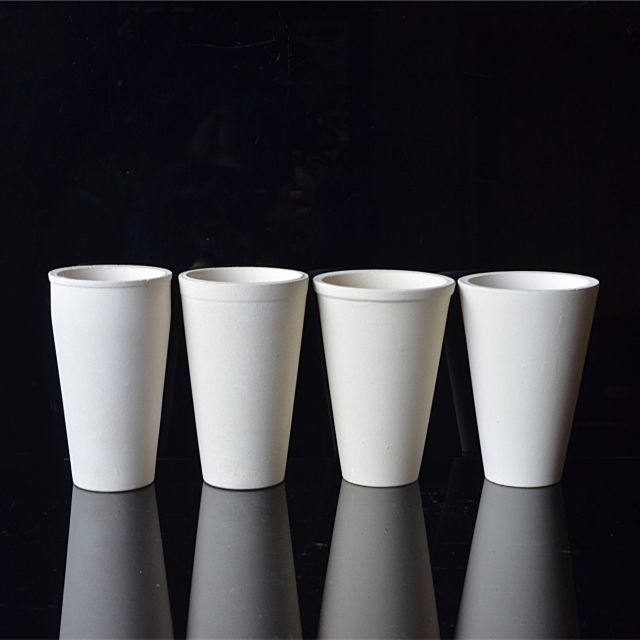
Understanding Ceramic Fire Clay Fire Assay Crucibles: Key Insights for the Industry
Time:
2026-04-05 19:10
Source:
Ceramic fire clay fire assay crucibles play a crucial role in various industrial applications, particularly in high-temperature environments such as metallurgical labs and foundries. These crucibles are specifically designed to withstand extreme temperatures, making them ideal for processes like fire assay, where precise chemical analysis is essential for determining the metal content in ores and other materials.
One of the primary advantages of using ceramic fire clay fire assay crucibles is their excellent thermal stability. These crucibles can endure sudden temperature fluctuations without cracking or breaking, ensuring reliable performance during critical testing procedures. The composition of fire clay, enriched with alumina and silica, provides these crucibles with the necessary strength and durability to withstand intense heat.
Moreover, ceramic fire clay fire assay crucibles exhibit exceptional resistance to chemical corrosion. When conducting fire assays, various reagents are used that can be highly reactive with traditional materials. The inert nature of ceramic fire clay minimizes the risk of contamination, ensuring the accuracy of the assay results. This is particularly vital when analyzing precious metals, where even minor impurities can significantly skew results.
The design of these crucibles often includes a tapered shape, which aids in uniform heating and optimal heat distribution. This feature is essential for achieving consistent and reliable assay results, as uneven heating can lead to inaccurate measurements and potentially flawed analyses. Additionally, the lightweight nature of ceramic fire clay fire assay crucibles makes them easy to handle and reduces the risk of breakage during transportation and usage.
Another point to consider is the cost-effectiveness of ceramic fire clay fire assay crucibles. Although they are designed for high-performance applications, their longevity and durability translate into fewer replacements and less downtime for operations. This can lead to significant cost savings over time, making them a popular choice among laboratories and industrial facilities that require high-reliability materials for their processes.
In summary, ceramic fire clay fire assay crucibles are essential components in the construction and decorative materials industry, offering remarkable thermal stability, chemical resistance, and cost-effectiveness. Their specialized design and material properties not only enhance the accuracy and reliability of fire assay processes but also contribute to the efficiency and longevity of industrial operations. For businesses looking to ensure quality and precision in their metallurgical analyses, investing in high-quality ceramic fire clay fire assay crucibles is a wise choice that can pay off in the long run.
ceramic fire clay fire assay crucible
INQUIRY FOR PRICELIST
For inquiries about our products or pricelist, please leave your inquiry and we will be in touch within 24 hours.
MoreFollow Us
Contact Us
Ms.Fanny
Email: sintyron@xtlceramic.com
Complaints and Opinions : anna@xtlceramic.com
Telephone:0086-731-23253338
Address:ShenTan Industrial
Area,Hunan,China 412200