

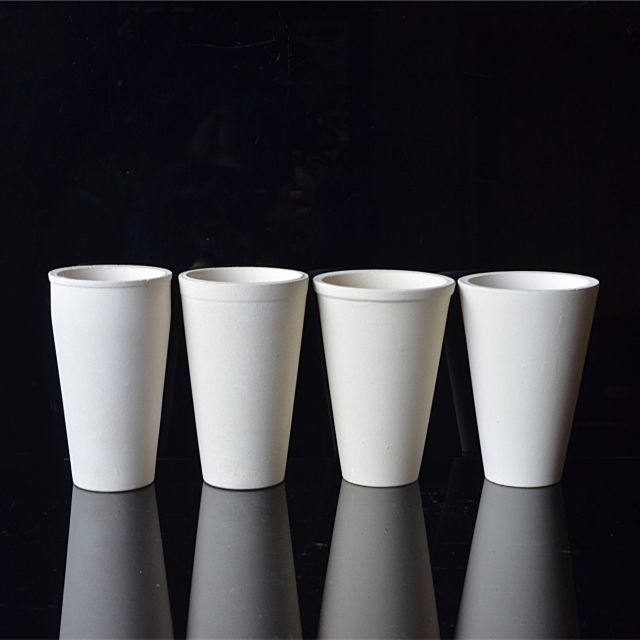
Understanding PBN Composite Ceramic Heaters: Applications and Benefits in Industrial Drying
Time:
2026-04-11 17:50
Source:
In the chemical industry, particularly in the domain of drying agents and adsorbents like activated alumina, effective heating solutions are crucial for optimizing performance and efficiency. One such innovative technology is the PBN (Pyrolytic Boron Nitride) composite ceramic heater. These heaters are known for their unique combination of properties that make them especially suitable for high-temperature applications in industrial settings.
PBN composite ceramic heaters are composed of a boron nitride matrix, which provides exceptional thermal conductivity, electrical insulation, and stability in extreme conditions. This makes them ideal for processes that require consistent and high-quality heating without the risk of contamination or corrosion. When integrated into drying systems, these heaters ensure even heat distribution, which is vital for the effective removal of moisture from materials such as activated alumina.
One of the key benefits of using PBN composite ceramic heaters is their ability to reach high operating temperatures efficiently. Unlike traditional heating elements that may have limitations in temperature range and stability, PBN heaters can operate at elevated temperatures, making them suitable for processes that demand rapid drying and processing. This is particularly beneficial in the production of drying agents where moisture control is critical for maintaining the quality and performance of the final product.
Moreover, PBN ceramic heaters are known for their durability and long service life. This longevity reduces the frequency of replacements and maintenance, leading to lower operational costs over time. In chemical processes, where downtime can significantly impact production, employing reliable heating solutions is essential.
Another significant advantage of PBN composite ceramic heaters is their efficiency in energy consumption. Their high thermal efficiency means that less energy is required to achieve the desired temperatures, which aligns with the industry's growing emphasis on sustainability and energy conservation. By reducing energy costs, businesses can enhance their overall profitability while minimizing their environmental footprint.
In summary, PBN composite ceramic heaters represent a cutting-edge solution for industrial drying applications, particularly in sectors utilizing drying agents and adsorbents like activated alumina. Their high thermal conductivity, outstanding durability, and energy efficiency make them an excellent choice for companies looking to optimize their heating processes. As industries continue to seek innovative approaches to improve efficiency and reduce costs, the adoption of technologies like PBN composite ceramic heaters will likely play a pivotal role in shaping the future of industrial drying processes. By understanding and leveraging these advanced heating solutions, businesses can enhance their operational effectiveness and maintain a competitive edge in the market.
pbn composite ceramic heater
INQUIRY FOR PRICELIST
For inquiries about our products or pricelist, please leave your inquiry and we will be in touch within 24 hours.
MoreFollow Us
Contact Us
Ms.Fanny
Email: sintyron@xtlceramic.com
Complaints and Opinions : anna@xtlceramic.com
Telephone:0086-731-23253338
Address:ShenTan Industrial
Area,Hunan,China 412200