

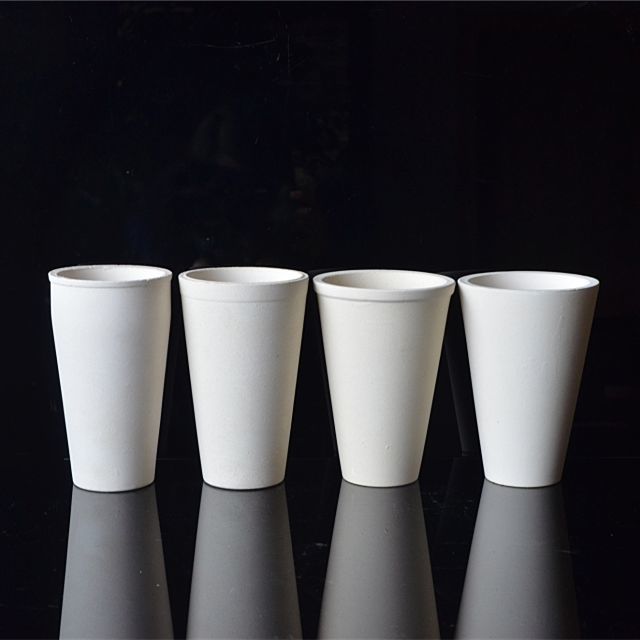
Exploring the Durability of Ceramic Fire Clay Fire Assay Crucibles: Essential Insights for Optimal Performance
Time:
2026-04-14 18:30
Source:
Exploring the Durability of Ceramic Fire Clay Fire Assay Crucibles
Table of Contents
- Introduction to Ceramic Fire Clay Fire Assay Crucibles
- Understanding the Composition of Ceramic Fire Clay
- The Manufacturing Process of Fire Assay Crucibles
- Factors Influencing the Durability of Crucibles
- Applications of Ceramic Fire Clay Fire Assay Crucibles
- Best Practices for Maintaining Fire Assay Crucibles
- Comparing Ceramic to Other Crucible Materials
- Conclusion
- Frequently Asked Questions
Introduction to Ceramic Fire Clay Fire Assay Crucibles
Ceramic fire clay fire assay crucibles are indispensable tools used in metallurgy and material testing. Their ability to withstand high temperatures and corrosive environments makes them a favorite among professionals. In this article, we delve into their durability, exploring how they perform under various conditions and why they are a reliable choice for laboratories and industrial applications.
Understanding the Composition of Ceramic Fire Clay
The durability of ceramic fire clay fire assay crucibles is rooted in their composition. Primarily made from a blend of **kaolin, feldspar, and quartz**, these materials contribute to the crucibles’ thermal stability and mechanical strength. **Kaolin**, a type of clay, provides excellent plasticity and forms a robust matrix when fired. **Feldspar** acts as a flux, lowering the melting point and enhancing the crucible's strength during the firing process. Lastly, **quartz** contributes to dimensional stability, ensuring the crucibles maintain their shape under stress.
Properties of Fire Clay
Fire clay exhibits several properties that enhance the performance of crucibles:
- **High Refractoriness**: Capable of withstanding temperatures over 1,500°C without deforming.
- **Low Thermal Conductivity**: Helps in retaining heat, promoting efficient performance during assays.
- **Chemical Resistance**: Resistant to various chemicals used in metallurgical processes, increasing longevity.
The Manufacturing Process of Fire Assay Crucibles
The manufacturing of ceramic fire clay fire assay crucibles involves several critical steps, each contributing to the final product's durability and performance.
1. Material Preparation
Raw materials are carefully selected and mixed. **The clay is ground** to a fine powder and blended with water to achieve the desired consistency. This mixture is essential for shaping the crucibles.
2. Shaping
The mixture is then shaped into crucibles using either hand molding or automated processes. The shaping technique can affect the final product's strength and uniformity.
3. Drying
After shaping, the crucibles are dried to remove excess moisture. This step is crucial to prevent cracking during firing.
4. Firing
The dried crucibles undergo a high-temperature firing process. This step is vital as it transforms the clay into a durable, ceramic material. The temperature and duration of this firing process directly influence the crucibles' final properties.
Factors Influencing the Durability of Crucibles
Several factors contribute to the durability of ceramic fire clay fire assay crucibles. Understanding these can help users select the right crucibles for their specific applications.
1. Heat Resistance
The ability to withstand extreme temperatures without deforming or breaking is paramount. High-quality crucibles can endure repeated heating cycles without significant wear.
2. Mechanical Strength
The tensile and compressive strength of the crucibles determines their capacity to endure physical stress during handling and usage. Quality manufacturing processes enhance these strength characteristics.
3. Chemical Stability
Crucibles are often exposed to corrosive substances during assays. The material's resistance to chemical reactions is critical for maintaining integrity over time.
4. Thermal Shock Resistance
Rapid temperature changes can cause materials to crack. Crucibles designed with thermal shock resistance can handle sudden temperature fluctuations, extending their lifespan.
Applications of Ceramic Fire Clay Fire Assay Crucibles
Ceramic fire clay fire assay crucibles are utilized across various industries, showcasing their versatility and reliability.
1. Metallurgy
In metallurgical laboratories, these crucibles are essential for conducting fire assays to determine the presence and quantity of precious metals. Their durability ensures accurate results even under extreme conditions.
2. Research and Development
Research facilities employ these crucibles in experiments requiring high-temperature testing. The ability to withstand chemical reactions allows scientists to explore new materials and processes.
3. Jewelry Manufacturing
Jewelry makers utilize crucibles for melting and alloying metals, where precision and durability are crucial for producing high-quality products.
4. Environmental Testing
In environmental laboratories, these crucibles are used for analyzing soil and sediment samples, where their resistance to contamination is vital.
Best Practices for Maintaining Fire Assay Crucibles
To ensure the longevity and performance of ceramic fire clay fire assay crucibles, proper maintenance and handling are essential.
1. Avoiding Thermal Shock
Gradual temperature changes prevent cracking. It’s advisable to preheat the crucible slowly before introducing it to high temperatures.
2. Cleaning Procedures
After use, crucibles should be cleaned gently to remove residues. Harsh chemicals or abrasive materials can damage the surface and reduce durability.
3. Proper Storage
Store crucibles in a dry, stable environment where they are protected from physical impacts or extreme temperature fluctuations.
Comparing Ceramic to Other Crucible Materials
When selecting a crucible, it’s vital to compare ceramic materials to alternatives like graphite or metal crucibles.
1. Graphite Crucibles
Graphite crucibles offer excellent thermal conductivity and are favored for high-purity metal melting. However, they may not withstand as high temperatures as ceramic options, especially in repeated usage.
2. Metal Crucibles
Metal crucibles provide durability but can react with certain materials, affecting assay results. They are heavier and may not offer the same thermal shock resistance as ceramic.
3. Advantages of Ceramic Crucibles
Ceramic fire clay crucibles stand out due to their heat resistance, chemical stability, and ability to withstand thermal shock, making them a preferred choice in many applications.
Conclusion
Ceramic fire clay fire assay crucibles are vital tools in various industries, providing unmatched durability and reliability. Their unique composition, combined with advanced manufacturing techniques, results in high-performance crucibles that can endure extreme conditions. By understanding their properties and implementing best maintenance practices, users can maximize their lifespan and efficiency, making them an essential investment for any laboratory or production facility.
Frequently Asked Questions
1. What is the maximum temperature a ceramic fire clay crucible can withstand?
Ceramic fire clay crucibles can typically withstand temperatures exceeding 1,500°C.
2. How should I clean my ceramic crucibles after use?
Gently clean with warm water and a soft brush to avoid damaging the surface.
3. Can I use ceramic crucibles for melting metals?
Yes, ceramic fire clay crucibles are ideal for melting various metals and conducting assays.
4. How long can I expect a ceramic crucible to last?
With proper care and maintenance, ceramic crucibles can last several years, depending on usage conditions.
5. Are there any alternatives to ceramic crucibles?
Yes, alternatives include graphite and metal crucibles, but they may have limitations in heat resistance and chemical reactivity.
This comprehensive exploration into the durability of ceramic fire clay fire assay crucibles not only outlines their essential features and applications but also positions them as a vital tool in the industry, ensuring users can make informed choices for their specific needs.
ceramic fire clay fire assay crucible
INQUIRY FOR PRICELIST
For inquiries about our products or pricelist, please leave your inquiry and we will be in touch within 24 hours.
MoreFollow Us
Contact Us
Ms.Fanny
Email: sintyron@xtlceramic.com
Complaints and Opinions : anna@xtlceramic.com
Telephone:0086-731-23253338
Address:ShenTan Industrial
Area,Hunan,China 412200