

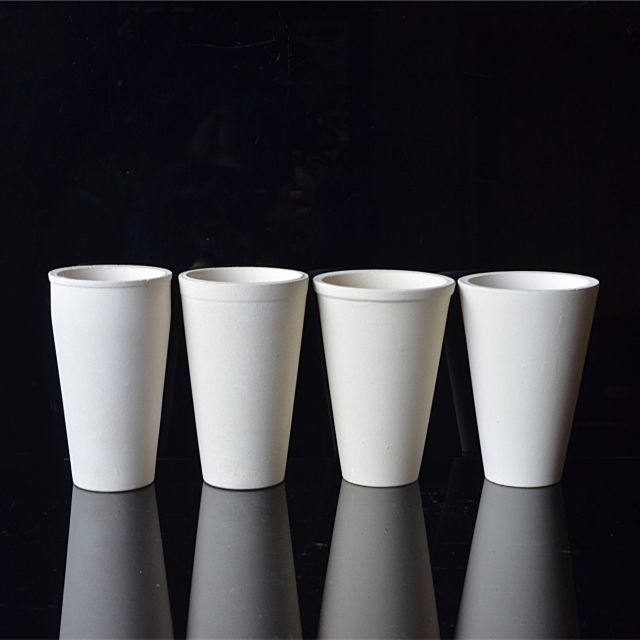
Understanding the Manufacturing Process of 99% Alumina Ceramic: A Comprehensive Guide
Time:
2026-05-26 14:50
Source:
Understanding the Manufacturing Process of 99% Alumina Ceramic
Table of Contents
- Introduction to 99% Alumina Ceramic
- Raw Materials Used in Manufacturing
- The Manufacturing Process of 99% Alumina Ceramic
- Step 1: Raw Material Preparation
- Step 2: Forming Techniques
- Step 3: Drying Process
- Step 4: Sintering Process
- Step 5: Quality Control Measures
- Applications of 99% Alumina Ceramic
- Benefits of Using 99% Alumina Ceramic
- The Future of 99% Alumina Ceramic
- Conclusion
- Frequently Asked Questions
Introduction to 99% Alumina Ceramic
99% alumina ceramic is a highly engineered material recognized for its exceptional strength, wear resistance, and thermal stability. Comprising 99% aluminum oxide, this ceramic finds applications in a variety of industries, including electronics, aerospace, and medical devices. Understanding the manufacturing process of this advanced material involves examining the intricacies of material selection, production techniques, and post-production quality assurance.
Raw Materials Used in Manufacturing
The primary raw material for 99% alumina ceramic is aluminum oxide (Al2O3). It is sourced from high-purity bauxite or other aluminum-rich minerals. The quality of the raw material significantly influences the final product's performance. Additional additives, such as silica, magnesium oxide, and various sintering aids, enhance specific properties like toughness and thermal shock resistance.
The Manufacturing Process of 99% Alumina Ceramic
The production of 99% alumina ceramic involves several meticulous steps to ensure the final product meets industry standards. Each stage plays a crucial role in determining the material's quality and performance.
Step 1: Raw Material Preparation
In this initial stage, the selected aluminum oxide undergoes grinding to achieve the desired particle size. The grinding process enhances the material's surface area, promoting better sintering performance later in the manufacturing process. The preparation may also involve blending with additives to tailor the properties of the final ceramic product.
Step 2: Forming Techniques
The prepared raw materials can be shaped into the desired form using various forming techniques. Common methods include:
- **Dry Pressing:** Involves compacting the powder into molds under high pressure to form a dense, green body.
- **Isostatic Pressing:** Utilizes fluid pressure to uniformly compact the powder, creating a more homogenous green body.
- **Slip Casting:** In this method, a slurry of ceramic powder and water is poured into a mold, allowing it to form a shape as the water is absorbed.
Each technique has its advantages and is selected based on the required geometry and application of the final product.
Step 3: Drying Process
Once the green bodies are formed, they undergo a drying process to remove any residual moisture. Proper drying is critical to prevent defects during the subsequent sintering stage. This process can take several hours to days, depending on the size and thickness of the ceramic components. Controlled drying conditions help reduce the risk of cracking or warping.
Step 4: Sintering Process
Sintering is a pivotal step in the manufacturing of 99% alumina ceramic. In this high-temperature process, the dried green bodies are heated in a kiln to temperatures typically between 1400°C and 1600°C. During sintering, the particles bond together, resulting in increased density and mechanical strength. The precise temperature and duration of the sintering process are closely monitored to achieve optimal properties.
Step 5: Quality Control Measures
Quality assurance is paramount in the manufacturing of 99% alumina ceramic. Various tests are performed throughout the production process, including:
- **Density Measurement:** Ensures the ceramic achieves the desired density.
- **Microstructure Analysis:** Examines the microstructure for any defects or inconsistencies.
- **Mechanical Testing:** Assesses the bending strength, hardness, and wear resistance of the final product.
These quality control measures help ensure that the alumina ceramic meets industry specifications and customer requirements.
Applications of 99% Alumina Ceramic
99% alumina ceramic is renowned for its versatility and is utilized across multiple sectors. Some common applications include:
- **Electrical Insulators:** Due to its excellent dielectric properties, it serves as an insulator in high-voltage applications.
- **Wear Parts:** Its high hardness makes it ideal for components subjected to abrasive wear.
- **Biomedical Applications:** Used in dental and orthopedic implants due to its biocompatibility.
- **High-Temperature Components:** Its thermal stability makes it suitable for applications in extreme environments, such as furnace linings.
Benefits of Using 99% Alumina Ceramic
The advantages of 99% alumina ceramic are numerous, making it a preferred choice in many industries. Key benefits include:
- **High Strength and Durability:** With its remarkable tensile strength, 99% alumina ceramic components can withstand substantial loads and stresses.
- **Wear Resistance:** The material's hardness provides exceptional resistance against wear and erosion.
- **Thermal Stability:** It retains its properties at high temperatures, making it suitable for extreme applications.
- **Corrosion Resistance:** 99% alumina ceramic is inert to many chemicals, ensuring longevity in corrosive environments.
The Future of 99% Alumina Ceramic
As technology advances, the manufacturing techniques for 99% alumina ceramic continue to evolve. Innovations in additive manufacturing and advanced sintering methods may enhance the material's properties further, making it suitable for even more applications. Researchers are also exploring new composite materials that incorporate 99% alumina ceramic to improve performance and functionality across various fields.
Conclusion
The manufacturing process of 99% alumina ceramic is a complex yet fascinating endeavor that combines science, engineering, and craftsmanship. From the careful selection of raw materials to stringent quality control measures, each step is critical in ensuring the production of a high-performance ceramic that meets diverse industry needs. With its exceptional properties and versatile applications, 99% alumina ceramic is poised to remain a material of choice for many advanced engineering solutions.
Frequently Asked Questions
What is 99% alumina ceramic?
99% alumina ceramic is a high-performance ceramic material composed primarily of aluminum oxide, known for its exceptional strength, wear resistance, and thermal stability.
What are the primary applications of 99% alumina ceramic?
It is widely used in electrical insulators, wear parts, biomedical implants, and high-temperature components due to its excellent properties.
How is 99% alumina ceramic manufactured?
The manufacturing process involves raw material preparation, forming techniques, drying, sintering, and rigorous quality control measures.
What are the benefits of using 99% alumina ceramic?
Key benefits include high strength, durability, wear resistance, thermal stability, and corrosion resistance.
What future developments can we expect in 99% alumina ceramic technology?
Future advancements may include innovative manufacturing techniques, composite materials, and enhanced properties resulting from ongoing research and technology improvements.
99% alumina ceramic
INQUIRY FOR PRICELIST
For inquiries about our products or pricelist, please leave your inquiry and we will be in touch within 24 hours.
MoreFollow Us
Contact Us
Ms.Fanny
Email: sintyron@xtlceramic.com
Complaints and Opinions : anna@xtlceramic.com
Telephone:0086-731-23253338
Address:ShenTan Industrial
Area,Hunan,China 412200