

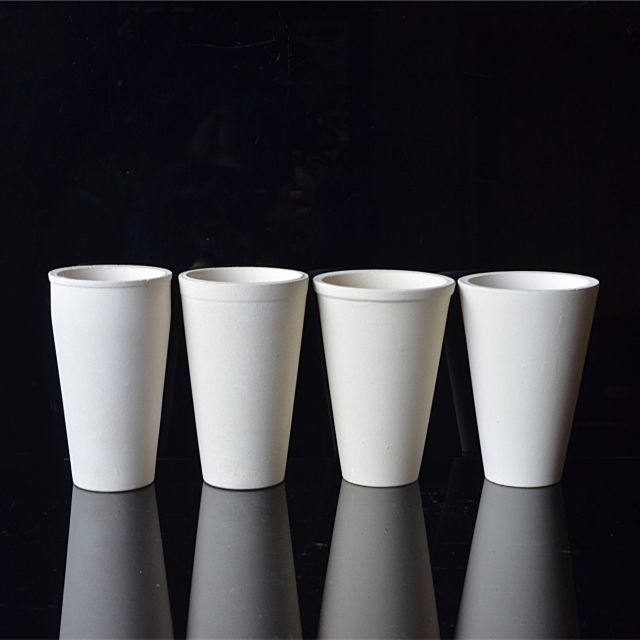
Understanding Ceramic Fire Clay Fire Assay Crucibles: Essential Tools for High-Temperature Applications
Time:
2026-05-31 14:30
Source:
Ceramic fire clay fire assay crucibles are indispensable tools in various high-temperature applications, particularly within the fields of construction and decorative materials. These crucibles are specifically designed to withstand extreme heat, making them ideal for processes such as metal smelting, assay testing, and various laboratory applications.
One of the key attributes of ceramic fire clay crucibles is their ability to endure high temperatures without compromising structural integrity. Made from a blend of fire clay and other refractory materials, these crucibles can typically withstand temperatures exceeding 1,500 degrees Celsius. This heat resistance is crucial for processes that require melting, such as the assay of metals, where precise temperature control is essential to achieve accurate results.
In addition to their thermal resistance, ceramic fire clay fire assay crucibles exhibit excellent chemical stability. This property is vital, as the crucibles must often interact with various substances and materials during the smelting and assay processes. The non-reactive nature of high-quality ceramic crucibles ensures that they will not contaminate or alter the composition of the materials being processed, thus maintaining the integrity of assay results.
Another significant advantage of using ceramic fire clay crucibles is their durability and longevity. Unlike some metal crucibles that can warp or degrade under intense heat, ceramic crucibles maintain their shape and functionality over extended periods. This durability translates to lower replacement costs and reduced downtime in industrial processes, making them a wise investment for professionals in the field.
Furthermore, these crucibles are often designed with user-friendly features, such as pour spouts and ergonomic shapes that facilitate easy handling. This attention to design not only enhances usability but also contributes to safety, as it minimizes the risk of spills or accidents during high-temperature operations.
When selecting a ceramic fire clay fire assay crucible, it is essential to consider factors such as size, shape, and specific temperature ratings to ensure optimal performance for your particular application. Whether you're engaged in metal refining, laboratory testing, or any other high-heat process, understanding the properties and advantages of these crucibles can significantly enhance your operational efficiency.
In conclusion, ceramic fire clay fire assay crucibles are vital components in various industrial applications due to their high-temperature resistance, chemical stability, and durability. By utilizing these specialized tools, professionals in the construction and decorative materials industry can achieve accurate and reliable results, making them a cornerstone of effective material processing.
ceramic fire clay fire assay crucible
INQUIRY FOR PRICELIST
For inquiries about our products or pricelist, please leave your inquiry and we will be in touch within 24 hours.
MoreFollow Us
Contact Us
Ms.Fanny
Email: sintyron@xtlceramic.com
Complaints and Opinions : anna@xtlceramic.com
Telephone:0086-731-23253338
Address:ShenTan Industrial
Area,Hunan,China 412200