

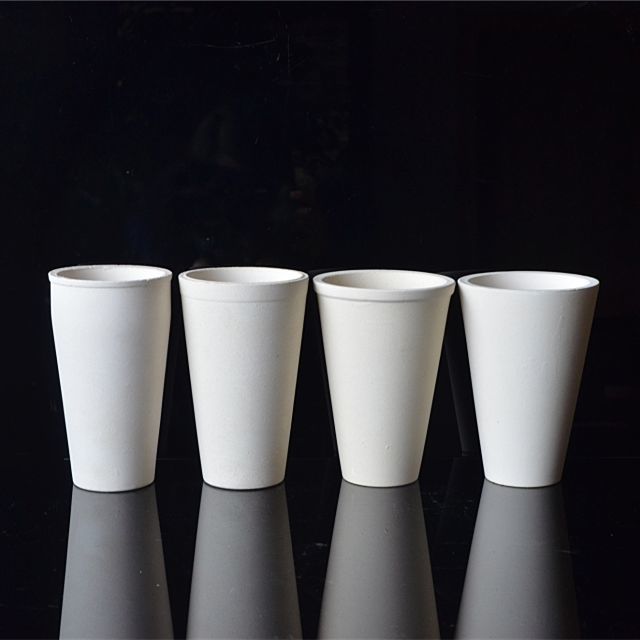
The Comprehensive Guide to the Manufacturing Process of AL2O3 Alumina Ceramic Plates
Time:
2026-06-01 14:10
Source:
The Comprehensive Guide to the Manufacturing Process of AL2O3 Alumina Ceramic Plates
Table of Contents
- 1. Introduction to AL2O3 Alumina Ceramics
- 2. Properties of AL2O3 Alumina
- 3. Applications of Alumina Ceramic Plates
- 4. Raw Materials Used in Manufacturing
- 5. The Manufacturing Process of AL2O3 Alumina Ceramic Plates
- 6. Quality Control in the Manufacturing Process
- 7. Sustainability in Alumina Ceramic Manufacturing
- 8. The Future of AL2O3 Alumina Ceramics
- 9. Frequently Asked Questions about AL2O3 Alumina Ceramic Plates
1. Introduction to AL2O3 Alumina Ceramics
AL2O3 alumina ceramics represent one of the most essential materials in modern engineering and manufacturing sectors. Renowned for their excellent mechanical properties and thermal stability, these ceramic plates are integral to various applications, from electronics to aerospace. The manufacturing process of AL2O3 alumina ceramic plates is intricate and demands precision, ensuring that the final products meet the rigorous standards required by different industries.
2. Properties of AL2O3 Alumina
AL2O3, or aluminum oxide, exhibits a range of properties that make it particularly valuable in industrial applications:
2.1 Mechanical Strength
One of the standout features of AL2O3 ceramics is their exceptional mechanical strength, which allows them to withstand high loads and resist wear.
2.2 Thermal Resistance
AL2O3 ceramics possess remarkable thermal stability, maintaining their integrity at elevated temperatures, making them ideal for high-temperature applications.
2.3 Corrosion Resistance
Alumina's ability to resist chemical corrosion is another significant advantage, ensuring long-lasting performance in hostile environments.
2.4 Electrical Insulation
With excellent electrical insulation properties, AL2O3 ceramics are widely used in electronic components.
3. Applications of Alumina Ceramic Plates
The versatility of AL2O3 alumina ceramic plates leads to their use across various fields:
3.1 Electronics
In the electronics industry, these plates serve as insulators and substrates for semiconductors, enhancing performance and reliability.
3.2 Aerospace
The aerospace sector utilizes alumina ceramics for components that require high strength-to-weight ratios and thermal resistance.
3.3 Medical Devices
In medical technology, AL2O3 ceramics are used in implants and surgical tools due to their biocompatibility and durability.
3.4 Industrial Applications
Manufacturers employ alumina ceramic plates in wear-resistant linings, cutting tools, and grinding media, taking advantage of their hardness and longevity.
4. Raw Materials Used in Manufacturing
The quality of AL2O3 alumina ceramic plates is heavily influenced by the raw materials used in their production. The primary raw material is alumina powder, which is sourced from bauxite ore. Additional materials may include:
4.1 Additives
Various additives are incorporated to enhance specific properties, such as sintering aids that facilitate the densification process.
4.2 Binders
Binders help in shaping the raw materials before firing, ensuring structural integrity during the manufacturing process.
5. The Manufacturing Process of AL2O3 Alumina Ceramic Plates
The manufacturing process of AL2O3 alumina ceramic plates involves several critical stages:
5.1 Powder Preparation
The first step is the careful selection and grinding of alumina powder to achieve the desired particle size distribution. This process is crucial as it affects the final density and mechanical properties of the ceramic plates.
5.2 Forming
The powdered alumina is then mixed with binders and additives, after which it is shaped using various techniques such as pressing, extrusion, or slip casting. Each method has its advantages, depending on the desired shape and thickness of the plates.
5.3 Drying
Once formed, the green bodies are subjected to a drying process to remove excess moisture. This step is essential to prevent cracking during firing.
5.4 Sintering
The dried plates are then fired in a kiln at high temperatures, typically between 1400°C to 1700°C. This sintering process causes the particles to bond together, significantly increasing the density and strength of the ceramic.
5.5 Cutting and Finishing
After sintering, the ceramic plates may undergo cutting, grinding, and polishing to achieve the required dimensions and surface finish. Precision in this stage is vital for ensuring the plates meet specific industry standards.
5.6 Quality Assurance
Quality checks are performed throughout the manufacturing process to ensure that the products meet the necessary specifications. This includes dimensional inspections, mechanical testing, and thermal analysis.
6. Quality Control in the Manufacturing Process
Quality control plays a pivotal role in the manufacturing of AL2O3 alumina ceramic plates. Rigorous testing and inspections are conducted at various stages to ensure that each plate complies with the required standards.
6.1 Material Inspection
Testing begins with raw materials to verify their purity and particle size distribution, as these factors significantly influence the final product's quality.
6.2 In-Process Monitoring
During the forming and sintering stages, parameters such as temperature and time are meticulously monitored to ensure consistency in the manufacturing process.
6.3 Final Product Testing
Once the plates are completed, they undergo a series of tests, including hardness, flexural strength, and thermal shock resistance, to confirm their performance capabilities.
7. Sustainability in Alumina Ceramic Manufacturing
Sustainability is an increasingly important consideration in the manufacturing of AL2O3 alumina ceramics. Here are some key aspects:
7.1 Eco-Friendly Raw Materials
Sourcing raw materials sustainably and minimizing waste are essential steps in creating an environmentally friendly manufacturing process.
7.2 Energy Efficiency
Implementing energy-efficient practices in the kiln operations can significantly reduce the carbon footprint of the manufacturing process.
7.3 Recycling of Waste Materials
Recycling and reusing waste materials generated during the production process can help minimize environmental impact, promoting a circular economy in the ceramics industry.
8. The Future of AL2O3 Alumina Ceramics
The future of AL2O3 alumina ceramics looks promising, with advancements in technology and materials science paving the way for new innovations.
8.1 Nanotechnology
Incorporating nanotechnology into the manufacturing process could lead to the development of ultra-high-performance alumina ceramics with enhanced properties.
8.2 Customization
The demand for customized solutions in various industries is rising, paving the way for manufacturing processes that allow for tailored dimensions and properties.
8.3 Research and Development
Ongoing research in the field of ceramics will likely yield new formulations and processes that enhance the performance and applicability of AL2O3 ceramics.
9. Frequently Asked Questions about AL2O3 Alumina Ceramic Plates
9.1 What is AL2O3 alumina, and why is it used in ceramics?
AL2O3 alumina is a chemical compound known for its durability, thermal resistance, and excellent mechanical properties, making it ideal for various ceramic applications.
9.2 How are AL2O3 alumina ceramic plates made?
The manufacturing process involves powder preparation, forming, drying, sintering, cutting, and finishing, each step contributing to the final product's quality.
9.3 What industries utilize AL2O3 alumina ceramics?
Industries such as electronics, aerospace, medical devices, and manufacturing rely on AL2O3 ceramics for their high-performance characteristics.
9.4 How do I ensure the quality of AL2O3 alumina ceramic plates?
Quality control measures throughout the manufacturing process, including material inspections and final product testing, help ensure high-quality outcomes.
9.5 What are the environmental considerations in AL2O3 alumina manufacturing?
Sustainability practices, including eco-friendly raw materials, energy efficiency, and recycling efforts, are essential for minimizing the environmental impact of alumina ceramic production.
Conclusion
The manufacturing process of AL2O3 alumina ceramic plates is complex and requires a detailed understanding of materials, techniques, and quality control measures. From the properties that make these ceramics so valuable to the intricate steps involved in their production, every aspect contributes to their wide-ranging applications in various industries. As technology advances and sustainability becomes a priority, the future of AL2O3 alumina ceramics holds exciting possibilities that will continue to shape their role in modern manufacturing and engineering.
al2o3 alumina ceramic plate
INQUIRY FOR PRICELIST
For inquiries about our products or pricelist, please leave your inquiry and we will be in touch within 24 hours.
MoreFollow Us
Contact Us
Ms.Fanny
Email: sintyron@xtlceramic.com
Complaints and Opinions : anna@xtlceramic.com
Telephone:0086-731-23253338
Address:ShenTan Industrial
Area,Hunan,China 412200