

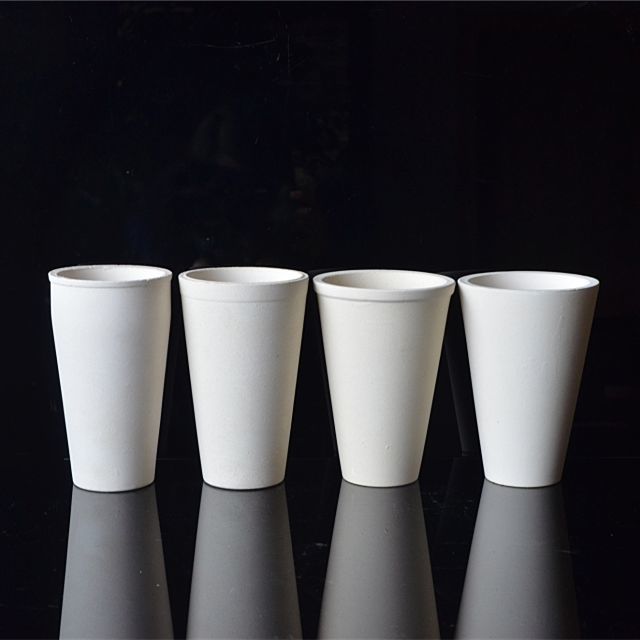
The Environmental Impact of Using 99% Alumina Ceramic in Building Materials
Time:
2026-06-19 11:00
Source:
The Environmental Impact of Using 99% Alumina Ceramic in Building Materials
Table of Contents
1. Introduction to 99% Alumina Ceramic
2. The Composition and Properties of 99% Alumina Ceramic
3. Environmental Benefits of Using 99% Alumina Ceramic
3.1. Sustainability and Eco-Friendliness
3.2. Energy Efficiency in Production and Use
4. Applications of 99% Alumina Ceramic in Building Materials
4.1. Ceramic Tiles and Flooring Solutions
4.2. Facade and Insulation Materials
4.3. Structural Components in Construction
5. The Life Cycle Assessment of 99% Alumina Ceramic
6. Challenges and Considerations in the Use of 99% Alumina Ceramic
7. Future Prospects of 99% Alumina Ceramic in Construction
8. Frequently Asked Questions (FAQs)
9. Conclusion
1. Introduction to 99% Alumina Ceramic
The construction industry is evolving towards more sustainable practices, leading to a surge in the use of innovative materials. One such material is **99% alumina ceramic**, renowned for its remarkable properties and eco-friendliness. This article examines the environmental impact of incorporating 99% alumina ceramic into building materials, highlighting its benefits, applications, and the future it holds in sustainable construction.
2. The Composition and Properties of 99% Alumina Ceramic
99% alumina ceramic is primarily composed of aluminum oxide (Al2O3), boasting a pureness that significantly enhances its mechanical properties. The high alumina content provides this material with exceptional hardness, durability, and corrosion resistance. These characteristics make **99% alumina ceramic** suitable for various demanding applications in construction.
In addition to its strength, this ceramic is often lightweight, facilitating easier handling and installation. Its thermal stability allows it to withstand extreme temperatures, making it ideal for environments subject to thermal stress. Furthermore, its low thermal conductivity contributes to energy efficiency, an essential factor in modern building design.
3. Environmental Benefits of Using 99% Alumina Ceramic
The adoption of **99% alumina ceramic** in building materials presents numerous environmental advantages.
3.1. Sustainability and Eco-Friendliness
Unlike traditional building materials, which may involve environmentally harmful extraction and processing methods, 99% alumina ceramic is often produced from abundant and more sustainable raw materials. The reduced environmental footprint is further emphasized by its long lifespan and minimal maintenance requirements, contributing to less waste over time.
3.2. Energy Efficiency in Production and Use
The manufacturing process of 99% alumina ceramic typically requires less energy compared to other ceramic materials. This efficiency translates into lower greenhouse gas emissions, making it a more environmentally friendly choice. Furthermore, once installed, alumina ceramics often contribute to the energy efficiency of buildings themselves by improving insulation and reducing heating and cooling costs.
4. Applications of 99% Alumina Ceramic in Building Materials
The versatility of 99% alumina ceramic makes it suitable for various applications in the construction industry:
4.1. Ceramic Tiles and Flooring Solutions
99% alumina ceramic tiles are becoming increasingly popular for flooring solutions due to their durability and aesthetic appeal. These tiles are resistant to scratches, stains, and moisture, making them ideal for both residential and commercial spaces. Their eco-friendly properties also make them a preferred choice for sustainable building projects.
4.2. Facade and Insulation Materials
The high thermal efficiency of 99% alumina ceramic contributes positively to building facades and insulation materials. By providing excellent insulation properties, these materials help to maintain indoor temperatures, reducing the reliance on heating and cooling systems, which can significantly lower energy consumption.
4.3. Structural Components in Construction
The strength and lightweight nature of 99% alumina ceramic allow it to be used in various structural components, including beams and supports. This capability not only enhances the overall durability of buildings but also contributes to more sustainable construction practices by reducing the material needed for structural integrity.
5. The Life Cycle Assessment of 99% Alumina Ceramic
Conducting a life cycle assessment (LCA) of 99% alumina ceramic reveals its environmental impact from production to disposal. The LCA typically includes:
- **Raw Material Extraction**: The sourcing of materials for alumina ceramic is less ecologically damaging than many traditional counterparts.
- **Manufacturing Process**: The energy consumption during production is comparatively lower, minimizing the carbon footprint.
- **Usage Phase**: During its lifespan, 99% alumina ceramic requires minimal maintenance, further reducing resource use.
- **End-of-Life Management**: This material can often be recycled or repurposed, preventing landfill waste and promoting circular economy practices.
Overall, the environmental benefits gleaned from a thorough life cycle assessment underscore the importance of 99% alumina ceramic in sustainable construction.
6. Challenges and Considerations in the Use of 99% Alumina Ceramic
While 99% alumina ceramic offers numerous advantages, it is essential to acknowledge the challenges associated with its use in building materials.
- **Cost Factor**: The initial investment for 99% alumina ceramic products may be higher than traditional materials. However, the long-term savings and durability often justify this cost.
- **Technical Expertise**: Proper installation requires skilled labor familiar with ceramic materials, which may not be readily available in all regions.
- **Market Awareness**: There is a need for greater education and awareness among architects, builders, and consumers regarding the benefits of using 99% alumina ceramic.
By addressing these challenges, stakeholders can enhance the adoption of this eco-friendly material in building practices.
7. Future Prospects of 99% Alumina Ceramic in Construction
The future of 99% alumina ceramic in building materials looks promising. As the demand for sustainable and innovative construction solutions grows, more manufacturers are likely to invest in the production of high-purity alumina ceramics. Advancements in technology will also enable the development of new applications that further capitalize on the unique properties of this material.
In addition, the increasing focus on regulatory standards for sustainable building practices will likely propel the use of 99% alumina ceramic in future construction projects. As architects and builders prioritize eco-friendly materials, alumina ceramics will play a significant role in shaping the construction landscape.
8. Frequently Asked Questions (FAQs)
**Q1: What are the primary benefits of using 99% alumina ceramic over traditional materials?**
A: The benefits include improved durability, lower environmental impact, energy efficiency, and a longer lifespan, making it a sustainable alternative.
**Q2: How does 99% alumina ceramic contribute to energy efficiency in buildings?**
A: Its excellent insulation properties help maintain indoor temperatures, reducing reliance on heating and cooling systems.
**Q3: Is 99% alumina ceramic recyclable?**
A: Yes, many types of 99% alumina ceramic can be recycled or repurposed, aligning with circular economy principles.
**Q4: What are the challenges associated with the adoption of 99% alumina ceramic?**
A: Challenges include higher initial costs, a need for skilled labor for installation, and a lack of awareness among consumers and builders.
**Q5: What does the future hold for 99% alumina ceramic in construction?**
A: As sustainability becomes a priority in construction, the demand for 99% alumina ceramic is expected to rise, fostering innovation and new applications.
9. Conclusion
The environmental impact of using 99% alumina ceramic in building materials is profound and multifaceted. Its sustainability, durability, and energy efficiency make it an ideal choice for modern construction practices focused on reducing ecological footprints. As we continue to explore innovative materials that align with green building standards, 99% alumina ceramic stands out as a beacon of progress. By embracing such materials, we can pave the way for a more sustainable future in the construction industry, ensuring that our buildings not only serve their purpose but also contribute positively to the planet.
99% alumina ceramic
INQUIRY FOR PRICELIST
For inquiries about our products or pricelist, please leave your inquiry and we will be in touch within 24 hours.
MoreFollow Us
Contact Us
Ms.Fanny
Email: sintyron@xtlceramic.com
Complaints and Opinions : anna@xtlceramic.com
Telephone:0086-731-23253338
Address:ShenTan Industrial
Area,Hunan,China 412200