

The Essential Guide to Ceramic Fire Clay Fire Assay Crucibles in the Construction Industry
Time:
2026-06-24 11:20
Source:
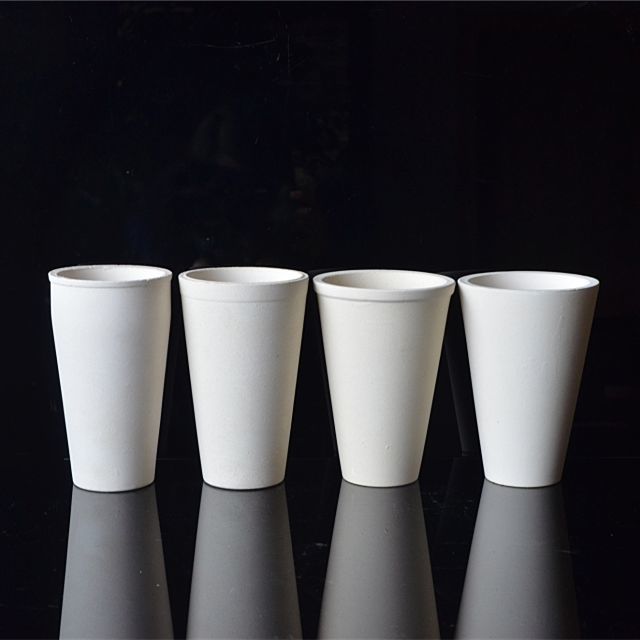
Ceramic fire clay fire assay crucibles are specialized tools widely used in various industries, particularly in construction and decorative materials like brick and ceramic. These crucibles are designed to withstand extremely high temperatures, making them indispensable for processes that involve melting metal ores and conducting fire assays. Understanding their properties and applications can greatly enhance your work in the field.
Firstly, ceramic fire clay is a key ingredient used in the production of these crucibles. This material is known for its excellent thermal resistance and durability, which allows crucibles to endure the intense heat generated during fire assays. When handling materials like gold, silver, or other precious metals, using a reliable crucible is essential; it ensures precise results and minimizes contamination.
The primary function of fire assay crucibles is to contain the sample materials during the fusion process, which involves mixing the ore with a flux to facilitate the separation of metal from impurities. The crucible's design and material composition significantly influence the outcome of the assay. High-quality ceramic crucibles help maintain the integrity of the assay and provide consistent results across multiple tests.
In terms of applications, ceramic fire clay fire assay crucibles are not limited to precious metal analysis. They are also valuable in other sectors, such as ceramics production and metallurgy. Professionals in these fields utilize crucibles for melting various metals and testing material compositions, making them versatile tools in laboratories and manufacturing environments.
When selecting a ceramic fire assay crucible, several factors should be considered. The size of the crucible should align with the volume of material being tested, while the shape may affect heat distribution and melting efficiency. Additionally, it is important to choose a crucible that can withstand the specific temperatures required for your applications, ensuring optimal performance and longevity.
Furthermore, proper handling and maintenance of ceramic fire clay fire assay crucibles are crucial for achieving reliable results. After each use, they should be cleaned thoroughly to remove any residual materials, preventing cross-contamination in future assays. Storing them in a dry, safe place will also help prolong their lifespan.
In conclusion, ceramic fire clay fire assay crucibles play a vital role in the construction and decorative materials industry. Their ability to withstand high temperatures while providing accurate and reliable testing results makes them essential tools for professionals engaged in metal analysis and ceramics production. Understanding their applications, properties, and maintenance will empower you to utilize them effectively, enhancing your overall efficiency in your projects.
Firstly, ceramic fire clay is a key ingredient used in the production of these crucibles. This material is known for its excellent thermal resistance and durability, which allows crucibles to endure the intense heat generated during fire assays. When handling materials like gold, silver, or other precious metals, using a reliable crucible is essential; it ensures precise results and minimizes contamination.
The primary function of fire assay crucibles is to contain the sample materials during the fusion process, which involves mixing the ore with a flux to facilitate the separation of metal from impurities. The crucible's design and material composition significantly influence the outcome of the assay. High-quality ceramic crucibles help maintain the integrity of the assay and provide consistent results across multiple tests.
In terms of applications, ceramic fire clay fire assay crucibles are not limited to precious metal analysis. They are also valuable in other sectors, such as ceramics production and metallurgy. Professionals in these fields utilize crucibles for melting various metals and testing material compositions, making them versatile tools in laboratories and manufacturing environments.
When selecting a ceramic fire assay crucible, several factors should be considered. The size of the crucible should align with the volume of material being tested, while the shape may affect heat distribution and melting efficiency. Additionally, it is important to choose a crucible that can withstand the specific temperatures required for your applications, ensuring optimal performance and longevity.
Furthermore, proper handling and maintenance of ceramic fire clay fire assay crucibles are crucial for achieving reliable results. After each use, they should be cleaned thoroughly to remove any residual materials, preventing cross-contamination in future assays. Storing them in a dry, safe place will also help prolong their lifespan.
In conclusion, ceramic fire clay fire assay crucibles play a vital role in the construction and decorative materials industry. Their ability to withstand high temperatures while providing accurate and reliable testing results makes them essential tools for professionals engaged in metal analysis and ceramics production. Understanding their applications, properties, and maintenance will empower you to utilize them effectively, enhancing your overall efficiency in your projects.
ceramic fire clay fire assay crucible
INQUIRY FOR PRICELIST
For inquiries about our products or pricelist, please leave your inquiry and we will be in touch within 24 hours.
MoreFollow Us
Contact Us
Ms.Fanny
Email: sintyron@xtlceramic.com
Complaints and Opinions : anna@xtlceramic.com
Telephone:0086-731-23253338
Address:ShenTan Industrial
Area,Hunan,China 412200