

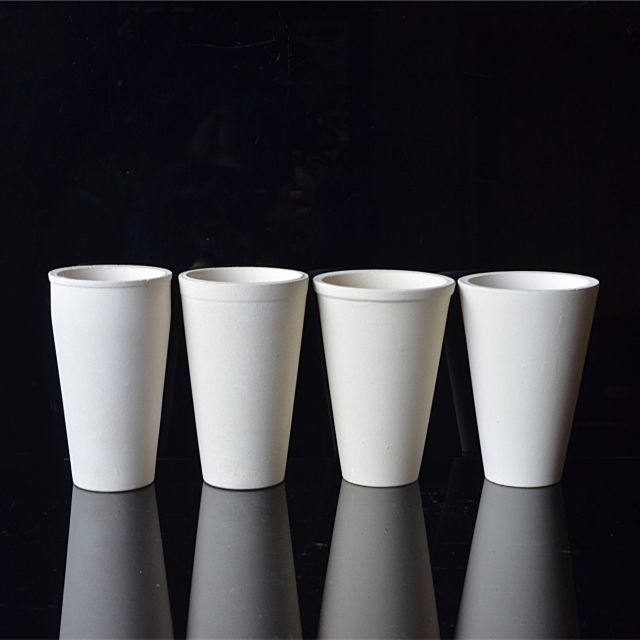
Exploring Beryllium Oxide Ceramic Plate: A Comprehensive Guide for Building and Decorative Materials
Time:
2026-07-02 11:30
Source:
Beryllium oxide ceramic plates are increasingly recognized in the realm of building and decorative materials, particularly for their remarkable thermal and mechanical properties. One of the standout features of beryllium oxide, also known as BeO, is its exceptional thermal conductivity, which surpasses that of many metals. This property makes beryllium oxide ceramic plates ideal for applications where heat dissipation is critical, such as in electronics and aerospace components.
In addition to thermal conductivity, beryllium oxide exhibits impressive mechanical strength and rigidity. This robustness makes it suitable for applications that require high durability and resistance to wear. For professionals in the construction and design sectors, these characteristics can be particularly advantageous when considering materials that can withstand harsh conditions while maintaining structural integrity.
Another significant benefit of beryllium oxide ceramic plates is their electrical insulation properties. This makes them an excellent choice for applications that require non-conductive materials, such as insulators in high-voltage equipment or components in electronic devices. Their ability to effectively withstand electrical stress without compromising performance can enhance the safety and reliability of various installations.
Beryllium oxide also has a relatively low coefficient of thermal expansion, which means it maintains its dimensions when subjected to temperature fluctuations. This characteristic is crucial in applications where stability is paramount, such as in precision instruments and components that undergo thermal cycling. Architects and designers can leverage this stability when creating intricate designs that require reliable performance under varying environmental conditions.
When considering beryllium oxide ceramic plates for building and decorative projects, it’s essential to be aware of safety measures. Beryllium, in its powdered form, can pose health risks if inhaled; however, when used in ceramic plates, these risks are significantly minimized due to the material's solid state. Proper handling and installation practices should always be adhered to, ensuring a safe environment for workers.
In summary, beryllium oxide ceramic plates are a versatile and high-performance material suitable for various applications in the building and decoration industry. Their thermal and electrical properties, combined with mechanical strength, make them a valuable choice for professionals seeking innovative solutions. By understanding the benefits and characteristics of beryllium oxide, architects and builders can make informed decisions that enhance the quality and safety of their projects.
beryllium oxide ceramic plate
INQUIRY FOR PRICELIST
For inquiries about our products or pricelist, please leave your inquiry and we will be in touch within 24 hours.
MoreFollow Us
Contact Us
Ms.Fanny
Email: sintyron@xtlceramic.com
Complaints and Opinions : anna@xtlceramic.com
Telephone:0086-731-23253338
Address:ShenTan Industrial
Area,Hunan,China 412200