

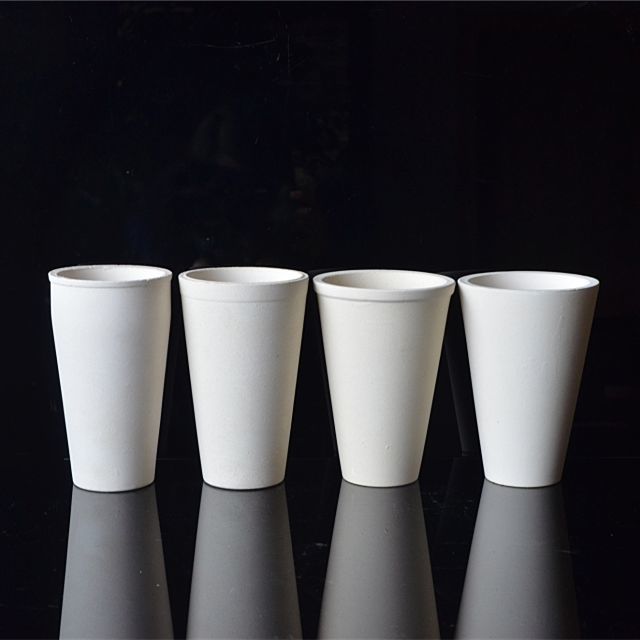
Enhancing Your Laboratory Experience with Premium Ceramic Fire Clay Fire Assay Crucibles
Time:
2026-07-03 12:10
Source:
Enhancing Your Laboratory Experience with Premium Ceramic Fire Clay Fire Assay Crucibles
In the realm of materials used for laboratory testing, **ceramic fire clay fire assay crucibles** stand out as an essential tool. These crucibles are not merely containers; they play a crucial role in ensuring that the results of fire assays are accurate, reliable, and reproducible. This article delves deep into the features, benefits, and best practices surrounding ceramic fire clay crucibles, demonstrating how they can significantly enhance your laboratory experience.
Table of Contents
- Understanding Ceramic Fire Clay Crucibles
- Benefits of Using Ceramic Fire Clay Fire Assay Crucibles
- Applications of Fire Assay Crucibles in Laboratories
- Key Features of High-Quality Ceramic Fire Clay Crucibles
- Best Practices for Using Fire Assay Crucibles
- Troubleshooting Common Issues with Crucibles
- Sustainability in Ceramic Fire Clay Crucibles
- Frequently Asked Questions
- Conclusion
Understanding Ceramic Fire Clay Crucibles
Ceramic fire clay crucibles are specialized containers designed to withstand high temperatures during fire assay processes. They are made from a unique blend of high-purity clays and other materials, enabling them to endure the rigors of laboratory testing. These crucibles are crucial for the analysis of metals, minerals, and other compounds, as they provide a stable environment for the reactions to occur.
Composition and Structure
The composition of ceramic fire clay crucibles includes materials that offer excellent thermal resistance and mechanical strength. The unique structure ensures uniform heat distribution, which is vital for achieving accurate assay results. This composition makes them suitable for a variety of applications, from geological testing to metal refining.
Benefits of Using Ceramic Fire Clay Fire Assay Crucibles
Using ceramic fire clay crucibles in laboratories offers numerous benefits that enhance the efficiency and accuracy of fire assay operations.
1. High Thermal Stability
One of the primary advantages of ceramic fire clay crucibles is their ability to withstand extreme temperatures without deforming or breaking. This property is crucial for fire assays, where temperatures can exceed 1000°C. High thermal stability ensures that the crucible maintains its shape and integrity throughout the assay process.
2. Chemical Resistance
Ceramic materials exhibit excellent resistance to a wide range of chemicals, making them suitable for various assay applications. This chemical resilience prevents contamination and ensures that assay results are not skewed by unwanted reactions with the crucible material.
3. Enhanced Accuracy and Precision
The uniform heat distribution achieved by ceramic fire clay crucibles contributes to more accurate assay results. This is essential in laboratories where precision is paramount, as even minor discrepancies can lead to significant errors in analysis.
4. Durability and Longevity
Investing in high-quality ceramic fire clay crucibles translates into cost savings over time. Their durability means they can withstand repeated use without losing functionality, making them a reliable choice for laboratories conducting frequent assays.
Applications of Fire Assay Crucibles in Laboratories
Ceramic fire clay crucibles are versatile tools employed across various fields and industries. Understanding their applications can help laboratories optimize their use.
1. Geological and Mineral Testing
In the mining and geology sectors, fire assay crucibles are critical for determining the concentration of precious metals like gold and silver in ore samples. Accurate analysis is vital for resource evaluation and extraction planning.
2. Metal Refining
Metal refineries utilize these crucibles to assess the purity of metals. The heat-resistant properties allow for the effective separation of impurities, ensuring high-quality end products.
3. Educational Institutions
In educational laboratories, ceramic fire clay crucibles serve as valuable teaching tools. They allow students to gain hands-on experience with fire assay techniques, which is essential for their understanding of material science and analytical chemistry.
Key Features of High-Quality Ceramic Fire Clay Crucibles
When selecting fire assay crucibles, it is crucial to consider specific features that define their quality. Understanding these features can help laboratories make informed purchasing decisions.
1. Material Quality
High-quality ceramic fire clay crucibles should be made from pure, non-contaminated materials. Look for crucibles that are certified to meet industry standards to ensure reliability and performance.
2. Heat Resistance
Choose crucibles designed to withstand specific temperature ranges that match your laboratory’s requirements. This ensures that they can endure the conditions of various assay processes without failing.
3. Size and Capacity
Crucibles come in various sizes and capacities. Selecting the appropriate size for your samples is essential for efficient processing and optimal results.
4. Design and Shape
The design of the crucible, including its shape and rim, can influence its performance. Consider crucibles with a well-thought-out design that facilitates easy handling and pouring of melted materials.
Best Practices for Using Fire Assay Crucibles
To maximize the performance and lifespan of ceramic fire clay fire assay crucibles, we recommend adhering to best practices.
1. Pre-Heating the Crucible
Pre-heating crucibles before use can help eliminate moisture and prevent thermal shock. Gradually increasing the temperature ensures the crucible can handle the high heat during the assay process.
2. Proper Handling Techniques
Always handle crucibles with care to avoid chipping or breaking. Using appropriate tools and protective gear can enhance safety and preserve the integrity of the crucibles.
3. Cleaning and Maintenance
Regular cleaning after each use is essential to remove residues and prevent contamination. Follow manufacturer guidelines for cleaning methods to ensure the longevity of the crucibles.
4. Storage Recommendations
Store crucibles in a dry, stable environment, preferably in a designated storage area away from direct sunlight and extreme temperatures. This helps maintain their quality over time.
Troubleshooting Common Issues with Crucibles
Even high-quality ceramic fire clay crucibles can experience issues. Here are common problems and solutions.
1. Cracking or Breaking
If crucibles crack or break during use, it may be due to rapid temperature changes or physical impact. Ensure that pre-heating and proper handling techniques are followed to minimize these risks.
2. Contamination of Samples
If assay results show unexpected discrepancies, contamination may be the cause. Regular cleaning and using dedicated crucibles for specific materials can prevent cross-contamination.
3. Inconsistent Results
Inconsistent assay results can stem from improper heating or inadequate sample preparation. Reviewing assay protocols and ensuring uniform heating can help achieve consistent outcomes.
Sustainability in Ceramic Fire Clay Crucibles
As laboratories increasingly emphasize sustainable practices, the choice of materials plays a crucial role. Many manufacturers are now producing ceramic fire clay crucibles with eco-friendly processes, ensuring that their production has a minimal environmental impact.
1. Environmentally Friendly Materials
Using sustainably sourced raw materials for crucibles contributes to a reduced carbon footprint. Opt for products that are developed with environmental considerations in mind.
2. Recyclability
Some ceramic fire clay crucibles can be recycled. Investigating recycling options not only supports sustainability but also enhances the lifecycle of laboratory materials.
Frequently Asked Questions
1. What is a fire assay crucible used for?
A fire assay crucible is used to conduct high-temperature tests for determining the concentration of precious metals in samples.
2. How do I choose the right size crucible?
Select a crucible size that accommodates your sample volume while ensuring enough space for the melting process.
3. Can ceramic fire clay crucibles be reused?
Yes, ceramic fire clay crucibles can often be reused if they are properly cleaned and maintained after each use.
4. What temperature can ceramic fire clay crucibles withstand?
Most ceramic fire clay crucibles can withstand temperatures exceeding 1000°C, making them suitable for high-temperature assays.
5. How can I maintain my fire assay crucibles?
Regular cleaning, proper storage, and careful handling are essential for maintaining the integrity and performance of your crucibles.
Conclusion
In summary, ceramic fire clay fire assay crucibles are indispensable tools in laboratory settings, enhancing the accuracy and reliability of fire assay processes. Their unique features, including high thermal stability, chemical resistance, and durability, make them an excellent choice for various applications. By implementing best practices and understanding key features, laboratories can significantly improve their operational efficiency and ensure the highest quality assay results. Investing in quality crucibles not only benefits the accuracy of testing but also supports a sustainable approach to laboratory operations.
ceramic fire clay fire assay crucible
INQUIRY FOR PRICELIST
For inquiries about our products or pricelist, please leave your inquiry and we will be in touch within 24 hours.
MoreFollow Us
Contact Us
Ms.Fanny
Email: sintyron@xtlceramic.com
Complaints and Opinions : anna@xtlceramic.com
Telephone:0086-731-23253338
Address:ShenTan Industrial
Area,Hunan,China 412200