

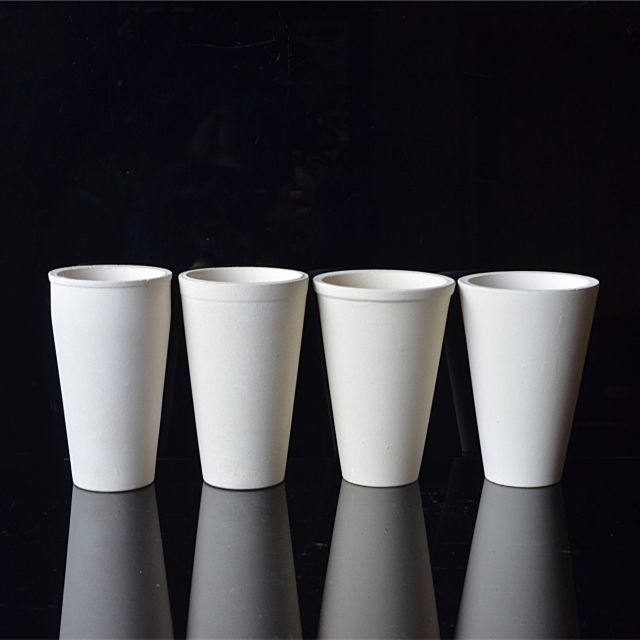
Enhancing Architectural Applications with Alumina Nitride (AlN) Ceramic Substrate Plates
Time:
2026-07-06 10:40
Source:
Alumina Nitride (AlN) ceramic substrate plates have gained significant attention in the building and decorative materials sector, particularly in brick and ceramic applications. Known for their exceptional thermal conductivity, electrical insulation, and mechanical strength, AlN substrates are increasingly being utilized in innovative architectural designs and construction techniques.
One of the primary advantages of AlN ceramic substrate plates is their high thermal conductivity, which ranges from 170 to 200 W/mK. This property is crucial in applications where heat dissipation is vital, such as in building materials that require effective thermal management. By incorporating AlN substrates, architects and engineers can design structures that maintain optimal temperature conditions, enhancing energy efficiency and comfort for occupants.
In addition to thermal properties, AlN substrates provide excellent electrical insulation. This characteristic is essential for applications that involve electronic components or require an electrically non-conductive medium. For instance, in modern architectural designs that integrate smart technology, AlN substrates can be used to house and protect electronic circuits without compromising safety and functionality.
AlN ceramic plates are also recognized for their impressive mechanical strength and durability. They exhibit high resistance to wear, corrosion, and thermal shock, making them suitable for a variety of challenging environments. This durability is particularly advantageous in construction applications, where materials must withstand environmental stresses over time without degradation.
Furthermore, the lightweight nature of AlN substrates allows architects to explore more creative and ambitious designs without the burden of excessive weight. This can lead to innovative structures that push the boundaries of traditional building methods. The versatility of AlN in terms of shape and form also enables customized solutions tailored to specific architectural needs, enhancing both aesthetic appeal and functional performance.
When considering the environmental impact, it is worth noting that AlN substrates can contribute to sustainable building practices. Their long lifespan and resistance to degradation can lead to reduced maintenance costs and less frequent replacements, ultimately promoting a more sustainable approach to construction.
In conclusion, Alumina Nitride (AlN) ceramic substrate plates represent a significant advancement in the architectural materials landscape. Their unique combination of thermal conductivity, electrical insulation, mechanical strength, and lightweight properties make them an excellent choice for various applications in the building and decorative materials industry. As architects and builders continue to seek innovative solutions, AlN substrates are poised to play a pivotal role in the future of construction and design.
alumina nitride ain ceramic substrate plate
INQUIRY FOR PRICELIST
For inquiries about our products or pricelist, please leave your inquiry and we will be in touch within 24 hours.
MoreFollow Us
Contact Us
Ms.Fanny
Email: sintyron@xtlceramic.com
Complaints and Opinions : anna@xtlceramic.com
Telephone:0086-731-23253338
Address:ShenTan Industrial
Area,Hunan,China 412200