

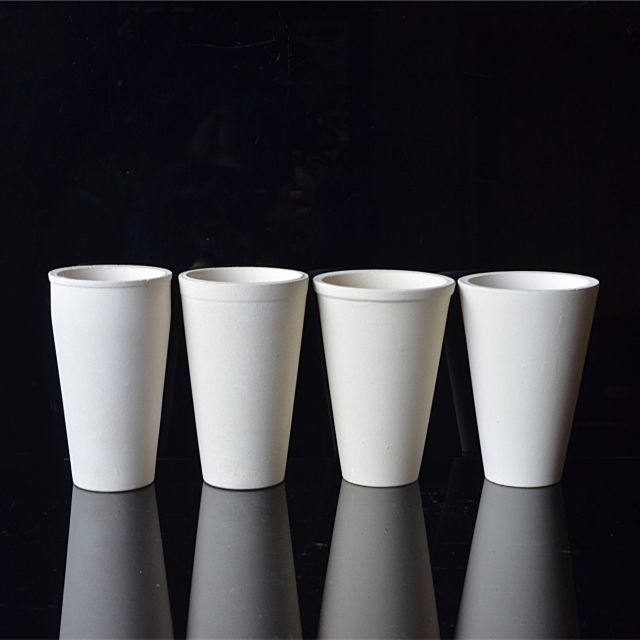
A Comprehensive Exploration of 99% Alumina Ceramic: Unveiling Its Properties and Applications
Time:
2026-07-07 11:50
Source:
A Comprehensive Exploration of 99% Alumina Ceramic: Unveiling Its Properties and Applications
In the evolving landscape of building and decorative materials, **99% alumina ceramic** stands out as a versatile and high-performance option. This article delves into the unique properties, manufacturing processes, and wide array of applications that make alumina ceramic a preferred choice in various industries. From its incredible strength to its thermal resistance, we leave no stone unturned in our examination of this remarkable material.
Table of Contents
- 1. Introduction to 99% Alumina Ceramic
- 2. Key Properties of 99% Alumina Ceramic
- 3. Manufacturing Process of 99% Alumina Ceramic
- 4. Applications of 99% Alumina Ceramic
- 4.1 Industrial Uses
- 4.2 Healthcare Equipment
- 4.3 Electronics and Electrical Components
- 4.4 Aerospace Applications
- 5. Benefits of Using 99% Alumina Ceramic in Construction
- 6. Challenges and Limitations of 99% Alumina Ceramic
- 7. Future Trends in Alumina Ceramic Technology
- 8. Conclusion
- 9. FAQs
1. Introduction to 99% Alumina Ceramic
99% alumina ceramic, known for its exceptional hardness and durability, is a type of ceramic material composed primarily of aluminum oxide (Al2O3). This high-purity ceramic exhibits outstanding physical and chemical properties, making it a favorable choice in a range of demanding applications. As industries seek materials that can withstand extreme conditions, alumina ceramic has emerged as a frontrunner in material science, enhancing performance across various sectors.
2. Key Properties of 99% Alumina Ceramic
2.1 Mechanical Strength
One of the most notable properties of 99% alumina ceramic is its **mechanical strength**. With a compressive strength exceeding 300 MPa, it is significantly stronger than conventional ceramics. This strength allows it to resist deformation and withstand heavy loads, making it ideal for structural components and applications where durability is paramount.
2.2 Thermal Resistance
99% alumina ceramic boasts impressive **thermal resistance**, capable of withstanding temperatures up to 1,600°C. This heat resistance makes it an excellent choice for applications in high-temperature environments, such as kilns and furnaces. Additionally, its low thermal conductivity ensures that it can act as an effective thermal barrier in various applications.
2.3 Chemical Stability
Another significant advantage of 99% alumina ceramic is its **chemical stability**. It is highly resistant to acids and bases, making it suitable for environments where corrosive substances are present. This property ensures longevity and reliability, particularly in chemical processing industries.
2.4 Electrical Insulation
99% alumina ceramic serves as an excellent **electrical insulator**, possessing high dielectric strength. This characteristic is crucial for electrical components, ensuring the safe operation of devices in various electronic applications. Its insulating properties contribute to the performance and safety of electrical systems.
3. Manufacturing Process of 99% Alumina Ceramic
3.1 Raw Materials Used
The production of 99% alumina ceramic begins with high-purity aluminum oxide, often sourced from bauxite or refined alumina. The purity of the raw materials directly influences the final properties of the ceramic, making quality control essential in the manufacturing process.
3.2 Sintering Process
During the **sintering process**, the raw alumina powder is compacted and heated to a temperature just below its melting point. This process allows the particles to bond together, creating a dense and strong final product. The careful control of temperature and time during sintering is critical to achieving the desired characteristics of the ceramic.
3.3 Finishing Techniques
After sintering, various **finishing techniques** are applied to enhance the surface quality and dimensional accuracy of the alumina ceramic. Techniques such as grinding, polishing, and coating can be employed to achieve the required specifications for specific applications. These finishing processes also enhance the aesthetic appeal of the ceramic, making it suitable for decorative uses.
4. Applications of 99% Alumina Ceramic
4.1 Industrial Uses
In industrial settings, 99% alumina ceramic is extensively used for wear-resistant components such as grinding media, liners, and nozzles. Its hardness and durability make it ideal for applications involving abrasive materials. Industries such as mining, cement, and manufacturing benefit significantly from the use of alumina ceramic in their processes.
4.2 Healthcare Equipment
In the healthcare sector, 99% alumina ceramic finds applications in surgical instruments, dental implants, and laboratory equipment. Its biocompatibility and resistance to chemical corrosion ensure safe and effective use in medical environments. The durability of alumina ceramic also contributes to the longevity of healthcare devices.
4.3 Electronics and Electrical Components
Alumina ceramic is widely used in the electronics industry for insulators, substrates, and components in circuit boards. Its electrical insulating properties ensure optimal performance in electrical devices, while its thermal stability protects sensitive components from overheating. The miniaturization of electronic devices has further increased the demand for high-performance materials like alumina ceramic.
4.4 Aerospace Applications
The aerospace industry utilizes 99% alumina ceramic for components that require high strength-to-weight ratios and thermal resistance. Applications include protective coatings for turbine blades, heat shields, and various structural components. The ability of alumina ceramic to withstand extreme conditions makes it a valuable asset in aerospace engineering.
5. Benefits of Using 99% Alumina Ceramic in Construction
The use of 99% alumina ceramic in construction offers numerous benefits. Firstly, its high strength and durability reduce the likelihood of structural failures, ensuring safety and longevity. Secondly, its resistance to chemicals and extreme temperatures reduces maintenance costs and prolongs the lifespan of components. Finally, its aesthetic versatility allows architects and designers to harness its beauty for decorative purposes.
6. Challenges and Limitations of 99% Alumina Ceramic
Despite its multitude of advantages, 99% alumina ceramic does face certain challenges. The brittleness of the material can lead to cracking under impact, making it less suitable for applications involving heavy shock loads. Additionally, the manufacturing process requires precise control and can involve high costs, impacting its accessibility for some applications. Understanding these limitations is crucial for industries considering the use of alumina ceramic.
7. Future Trends in Alumina Ceramic Technology
The future of alumina ceramic technology looks promising, with ongoing research aimed at enhancing its properties and expanding its applications. Innovations such as composite materials that combine alumina with other substances are being explored to improve toughness while retaining its beneficial characteristics. Moreover, advancements in manufacturing techniques, such as 3D printing of ceramics, could revolutionize the production processes, making alumina ceramic more accessible and versatile than ever before.
8. Conclusion
In summary, **99% alumina ceramic** is a remarkable material that offers a unique combination of high strength, thermal resistance, chemical stability, and electrical insulation. Its diverse applications across industries—from healthcare to aerospace—demonstrate its versatility and performance. As technology advances, the potential for alumina ceramic continues to grow, making it an essential material for the future. Understanding its properties, manufacturing processes, and applications will empower industries to leverage its capabilities effectively.
9. FAQs
1. What is 99% alumina ceramic made of?
99% alumina ceramic is primarily composed of aluminum oxide (Al2O3), which gives it its unique properties.
2. How is 99% alumina ceramic manufactured?
The manufacturing process involves sourcing high-purity aluminum oxide, sintering it at controlled temperatures, and applying finishing techniques to achieve desired specifications.
3. What are the main applications of 99% alumina ceramic?
Common applications include industrial wear-resistant components, healthcare instruments, electronics, and aerospace components.
4. What advantages does 99% alumina ceramic offer compared to other materials?
Its advantages include high strength, thermal resistance, chemical stability, and excellent electrical insulation properties.
5. Are there any limitations to using 99% alumina ceramic?
Yes, its brittleness can lead to cracking under impact, and the manufacturing process can be costly and requires precise control.
99% alumina ceramic
INQUIRY FOR PRICELIST
For inquiries about our products or pricelist, please leave your inquiry and we will be in touch within 24 hours.
MoreFollow Us
Contact Us
Ms.Fanny
Email: sintyron@xtlceramic.com
Complaints and Opinions : anna@xtlceramic.com
Telephone:0086-731-23253338
Address:ShenTan Industrial
Area,Hunan,China 412200