

NEWS
XING TAL LONG
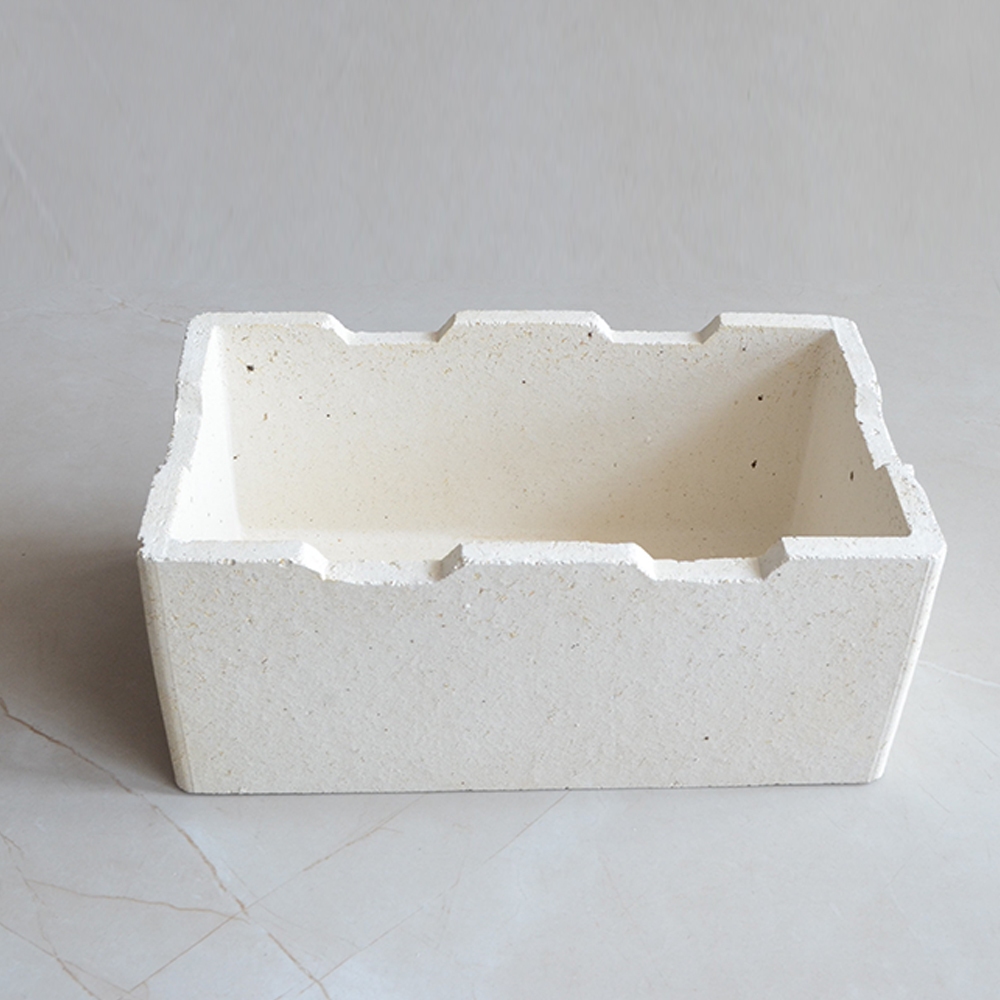
How Ceramic Fire Clay Fire Assay Crucibles Enhance Material Testing Accuracy
Time:
2026-05-04 15:30
Source:
How Ceramic Fire Clay Fire Assay Crucibles Enhance Material Testing Accuracy
Table of Contents
- Introduction
- Understanding Ceramic Fire Clay Crucibles
- Importance of Material Testing in Construction
- Key Advantages of Ceramic Fire Clay Crucibles
- Applications of Ceramic Crucibles in Material Testing
- Proper Usage and Care of Ceramic Fire Clay Crucibles
- The Future of Ceramic Fire Assay Crucibles in Material Testing
- FAQs
- Conclusion
Introduction
In the construction and decoration materials industry, **accurate material testing** is essential for ensuring quality and performance. This is where **ceramic fire clay fire assay crucibles** come into play. These specialized tools, designed to withstand high temperatures and corrosive environments, are pivotal in enhancing the accuracy of various testing processes. In this article, we delve into the intricacies of ceramic fire clay crucibles, uncovering their benefits, applications, and the role they play in improving material testing accuracy.
Understanding Ceramic Fire Clay Crucibles
Ceramic fire clay crucibles are specifically engineered vessels used in the high-temperature analysis of materials. Made from a blend of **fire clay** and other ceramics, these crucibles exhibit remarkable resistance to thermal shock and chemical reactions. Their ability to maintain structural integrity under extreme conditions makes them a preferred choice in laboratories across various industries.
Unlike traditional crucibles made from metal or glass, ceramic fire clay crucibles offer unique advantages that contribute to more reliable and precise testing outcomes. The properties of these crucibles allow for a broader range of applications, making them invaluable in material testing procedures.
Importance of Material Testing in Construction
In the construction sector, the **integrity of materials** directly impacts the safety and durability of buildings and infrastructure. Material testing serves as a crucial step to ensure compliance with industry standards and regulations. This testing helps identify the physical and chemical properties of materials, guiding manufacturers in selecting suitable ingredients for their projects.
**Accurate testing outcomes** allow for informed decision-making regarding material selection, ensuring that the final products meet the desired specifications and perform optimally under various conditions. As such, the role of tools like ceramic fire clay crucibles cannot be overstated in achieving high accuracy levels in material testing.
Key Advantages of Ceramic Fire Clay Crucibles
Ceramic fire clay crucibles stand out due to their unparalleled advantages over other types of crucibles. Let’s explore some of the key benefits that contribute to their effectiveness in enhancing material testing accuracy.
High Temperature Resilience
One of the primary benefits of ceramic fire clay crucibles is their ability to withstand extremely high temperatures without losing their structural integrity. Capable of enduring temperatures exceeding 1600°C (2912°F), these crucibles are ideal for processes such as **fire assay**, where samples must be subjected to intense heat for analysis. This resilience ensures that the results are consistent and accurate, eliminating the variability that can arise from using less durable materials.
Chemical Stability and Inertness
Ceramic crucibles boast a high degree of **chemical stability**, making them resistant to reactions with various substances encountered during testing. This inertness is crucial when analyzing materials that may react with metal or glass crucibles, which could skew results. By providing an unreactive environment, ceramic fire clay crucibles help maintain the purity of samples, leading to more accurate outcomes.
Durability and Long Lifespan
The durability of ceramic fire clay crucibles extends their lifespan significantly compared to traditional crucibles. They are less prone to cracking and wear, even after repeated use in high-stress environments. This longevity translates to cost savings for laboratories and manufacturers, as fewer replacements are needed, which allows for a consistent testing process over time.
Applications of Ceramic Crucibles in Material Testing
Ceramic fire clay crucibles are utilized in a variety of testing scenarios within the construction and decoration materials industry. Here are some of the most notable applications:
1. Fire Assay Testing
Fire assay testing is one of the most common applications for ceramic fire clay crucibles. This method involves melting ores and metals at high temperatures to separate precious metals from impurities. The use of ceramic crucibles ensures high accuracy and reliability in these critical tests.
2. Chemical Analysis
Chemical analysis often requires the use of crucibles that can endure harsh environments. Ceramic fire clay crucibles provide the necessary stability and inertness, making them suitable for applications such as gravimetric analysis and sample combustion.
3. Metallurgical Testing
In metallurgical labs, the analysis of metal compositions is vital. Ceramic crucibles facilitate high-temperature testing required for fusion and alloy analysis, providing accurate results that inform material properties and behaviors.
4. Concrete and Cement Analysis
Ceramic crucibles are also widely used in testing the properties of concrete and cement. Their ability to withstand high temperatures enables precise evaluation of material characteristics, including strength and durability.
5. Research and Development
In R&D environments, the need for experimentation is constant. Ceramic fire clay crucibles support innovative testing methods, allowing researchers to explore new materials and processes with confidence in their results.
Proper Usage and Care of Ceramic Fire Clay Crucibles
To maximize the benefits of ceramic fire clay crucibles, proper usage and care are essential. Follow these guidelines to ensure optimal performance:
1. Pre-Heating
Before use, it’s advisable to pre-heat ceramic crucibles gradually to avoid thermal shock. Sudden temperature changes can lead to cracking or damage.
2. Avoiding Contaminants
Keep crucibles clean and free from contaminants that could interfere with testing results. Use appropriate cleaning methods, ensuring they are dry before each use.
3. Proper Cooling
After testing, allow crucibles to cool gradually in a controlled environment to prevent thermal shock and extend their lifespan.
4. Regular Inspections
Conduct regular inspections for signs of wear or damage. Replace any crucibles that show significant signs of degradation to maintain testing accuracy.
The Future of Ceramic Fire Assay Crucibles in Material Testing
As technology continues to evolve, the future of ceramic fire clay crucibles looks promising. Innovations in materials science are likely to enhance their properties further, leading to even greater accuracy and reliability in material testing. Ongoing research may also yield new applications, expanding their use in various fields beyond construction and decoration materials.
Moreover, as sustainability becomes a focal point in many industries, manufacturers may start exploring eco-friendly materials for crucible production, aligning with global efforts toward environmental responsibility.
FAQs
1. What makes ceramic fire clay crucibles preferable over metal crucibles?
Ceramic fire clay crucibles provide superior **high-temperature resilience**, chemical stability, and durability, making them ideal for a variety of testing applications.
2. Can ceramic fire clay crucibles be reused?
Yes, ceramic crucibles can be reused when properly maintained. Regular inspections and proper care can extend their lifespan significantly.
3. What temperatures can ceramic fire clay crucibles withstand?
Ceramic fire clay crucibles can withstand temperatures exceeding 1600°C (2912°F), making them suitable for high-temperature tests like fire assay.
4. How do I properly care for my ceramic fire clay crucibles?
To ensure longevity, pre-heat the crucibles, avoid contaminants, allow gradual cooling, and regularly inspect for damage.
5. Are there any specific applications where ceramic crucibles are not recommended?
While ceramic fire clay crucibles are versatile, they may not be suitable for applications involving rapid temperature changes or extreme mechanical stress.
Conclusion
In summary, ceramic fire clay fire assay crucibles are indispensable tools in the realm of material testing, offering unique advantages that enhance accuracy and reliability. Their high-temperature resilience, chemical stability, and durability make them a preferred choice across various applications in the construction and decoration materials industry. By understanding the significance of these crucibles and adhering to proper usage and care practices, laboratories and manufacturers can ensure consistent and precise testing outcomes, ultimately contributing to the integrity and quality of construction materials. The future of ceramic crucibles remains bright, with ongoing advancements promising to further elevate their role in material testing.
ceramic fire clay fire assay crucible
INQUIRY FOR PRICELIST
For inquiries about our products or pricelist, please leave to us and. we will be in touch within 24 hours.
MoreFollow Us
Contact Us
Ms.Fanny
Email: sintyron@xtlceramic.com
Complaints and Opinions : anna@xtlceramic.com
TEL:0086-731-23253338
Address:ShenTan Industrial
Area,Hunan,China 412200